
Last updated November 21, 2026
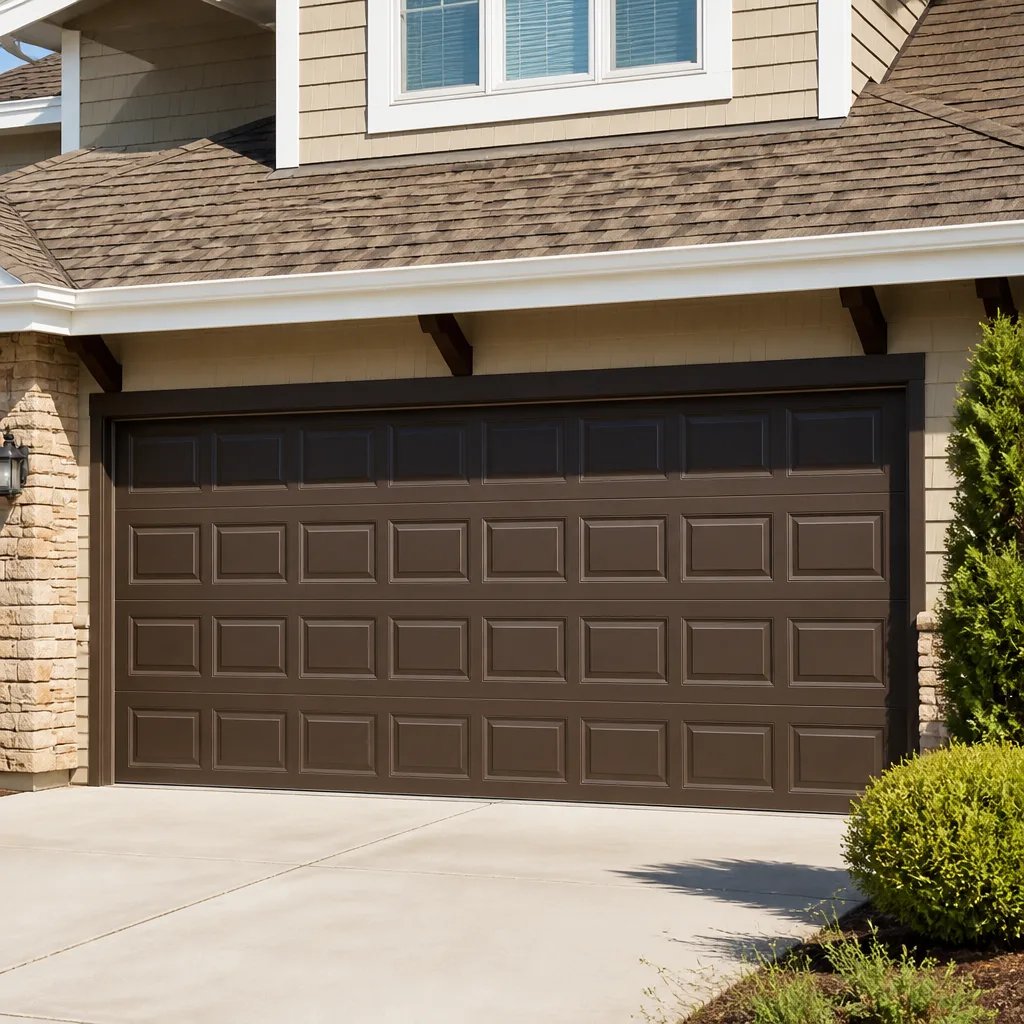 Raised-panel steel
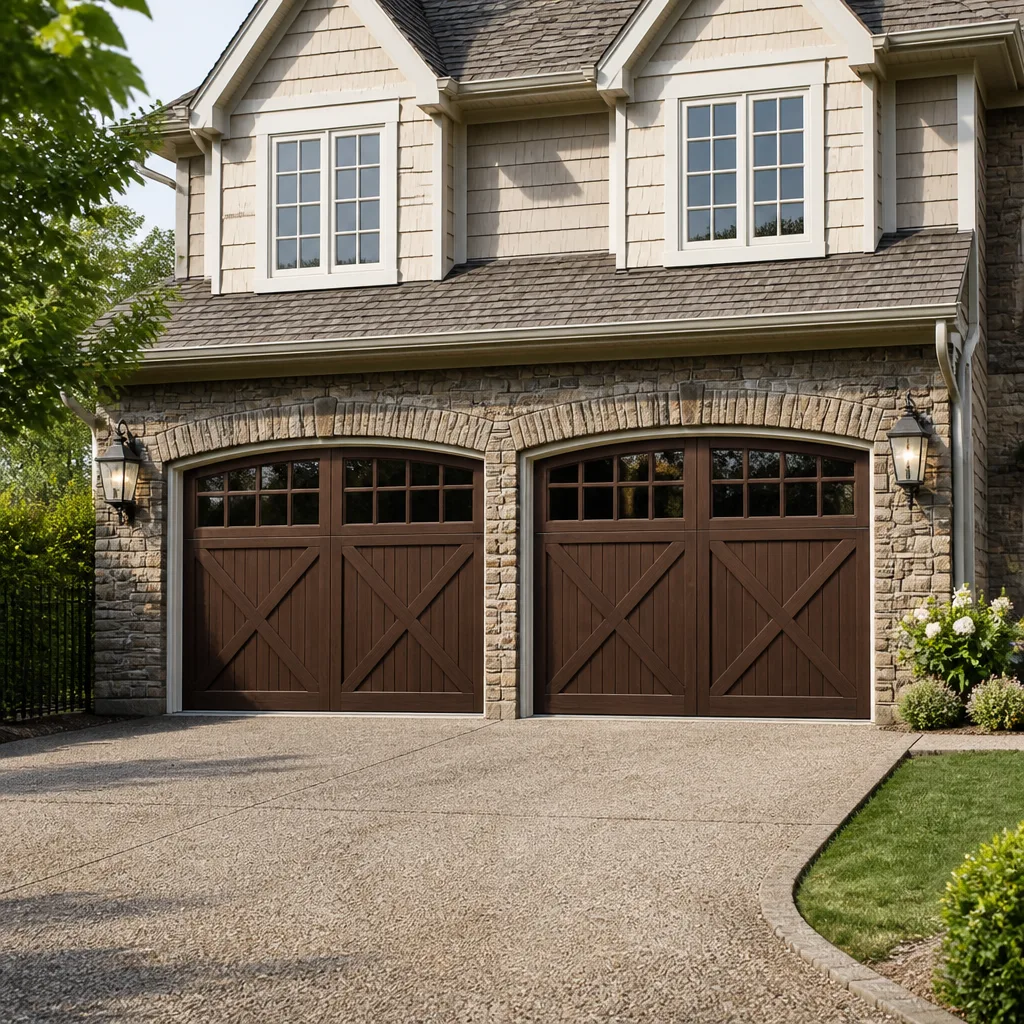 Carriage house
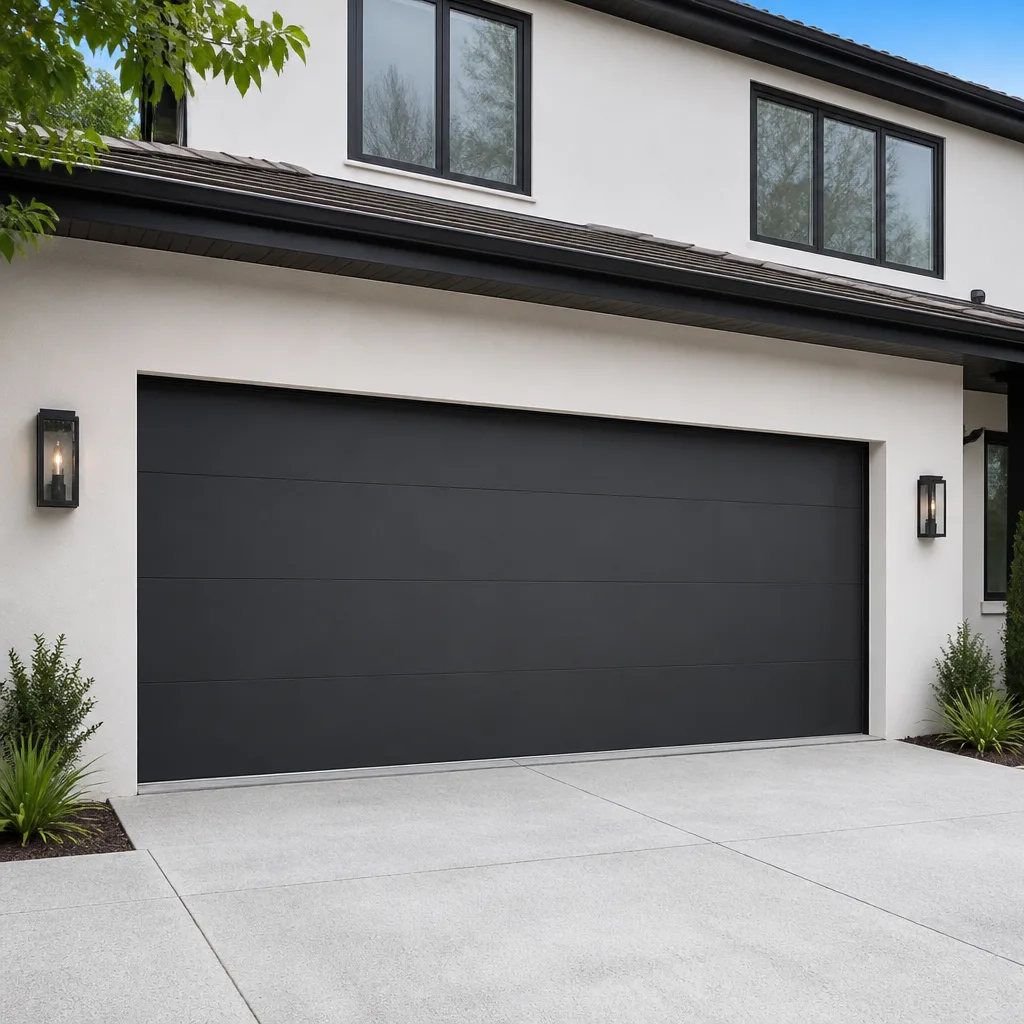 Modern flush
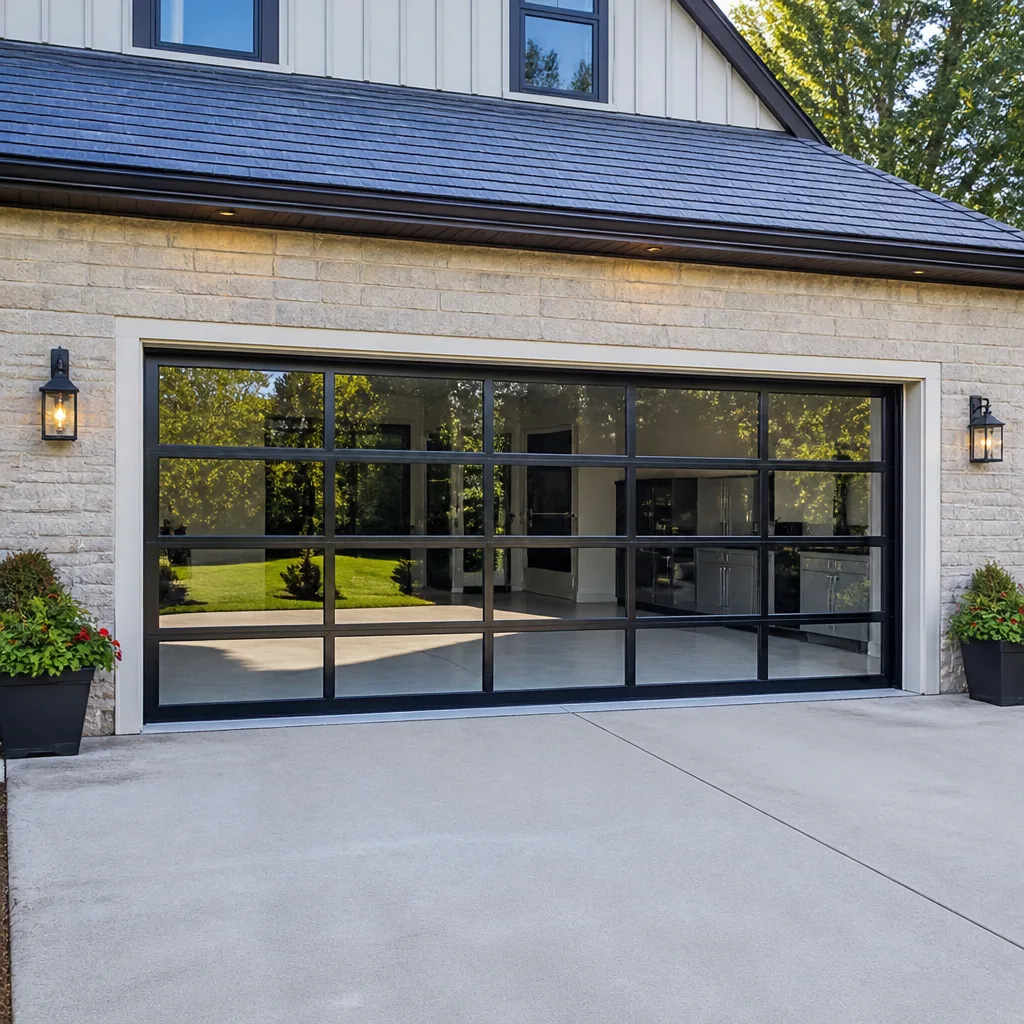 Full-view glass
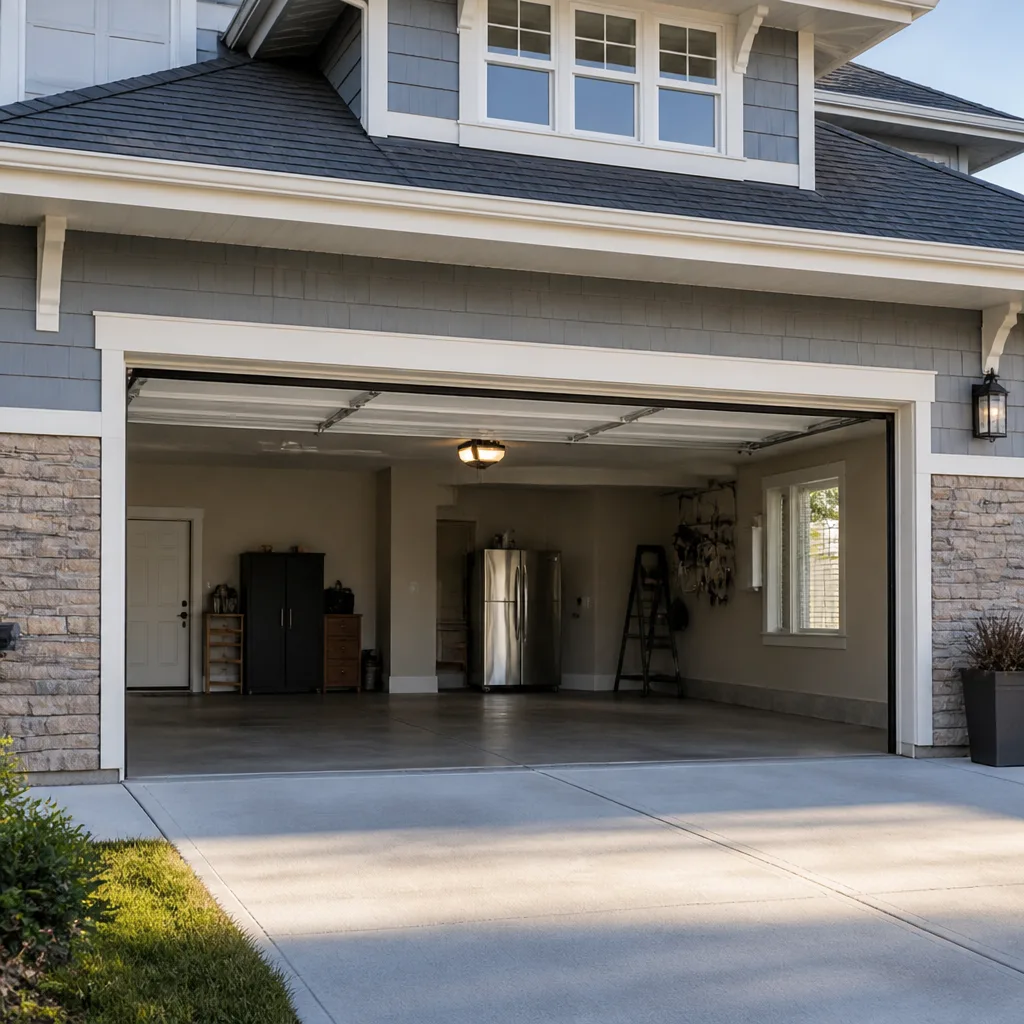 LiftMaster openers
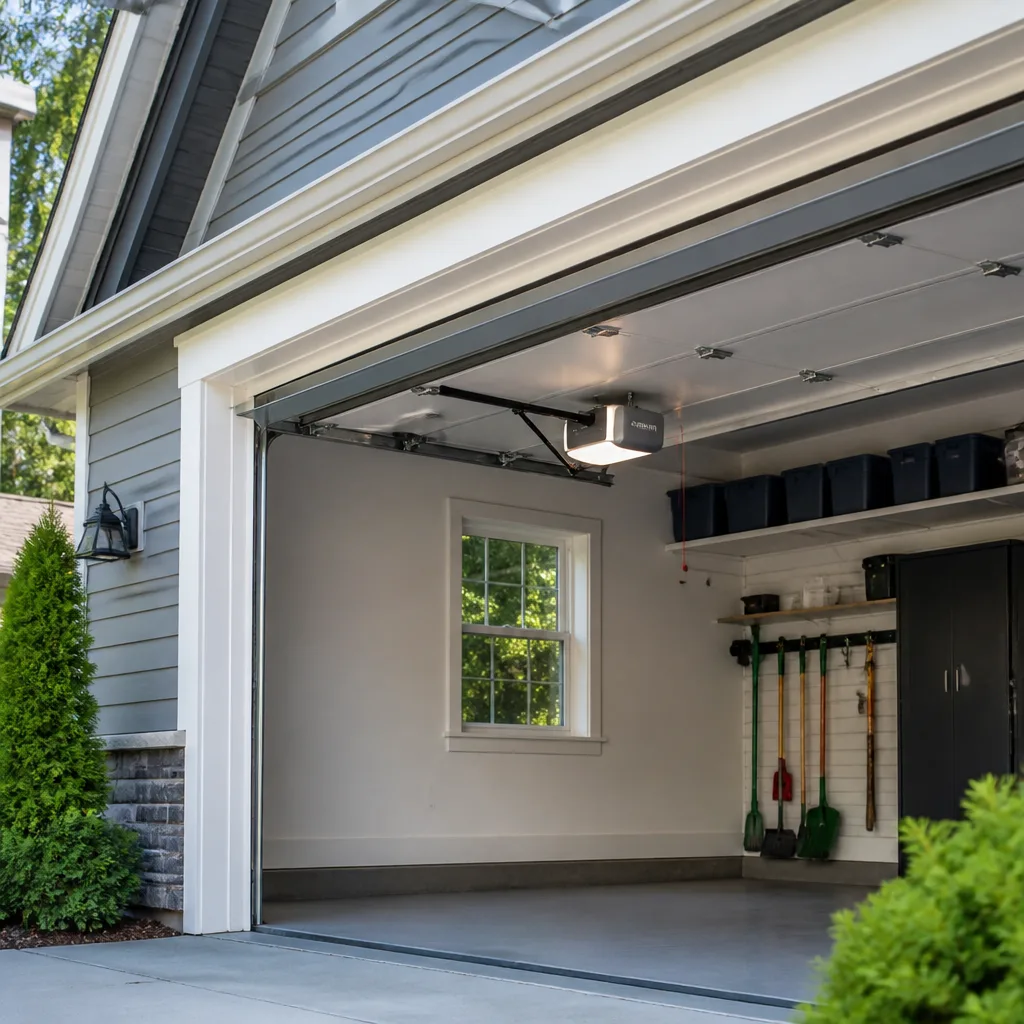 Chamberlain openers
Full 25-point door and opener safety check with every visit - springs, cables, rollers, tracks, and your LiftMaster or Chamberlain opener included
You get a price before we start. It does not change when the pro arrives.
Get your free estimateSeasonal Garage Door Care for Tallahassee: Year-Round Homeowner’s Guide
Most garage door maintenance advice assumes four equal seasons. Tallahassee doesn’t work that way. We get a long, humid summer that pushes wood, seals, and opener electronics hard, a short dry winter that lulls everyone into skipping prep, and two shoulder seasons defined by severe storms and heavy pollen. The counterintuitive part: our mild winter is exactly when torsion springs fail most, because overnight temperature swings here are more mechanically stressful to steel than a steady freeze. This guide maps garage door care to how Tallahassee actually behaves through the year, so you know what to check and when.
Quick Answer
Garage door care in Tallahassee follows the local climate, not the calendar: pre-hurricane season prep in May, a post-storm inspection each late summer, pollen and pine needle clearing in fall, spring-failure watch through the January-February temperature swings, and a ground-shift check in spring as Leon County clay soils move with wet and dry cycles. Handle the checks you can safely do by hand and eyesight, and leave springs, cables, and opener wiring to a trained professional. A short seasonal routine prevents most of the breakdowns we see.
Styles & brands we work with
- Raised-panel steel
- Carriage house
- Modern flush
- Full-view glass
- LiftMaster openers
- Chamberlain openers
Table of Contents
- How Tallahassee Weather Affects Your Garage Door
- Pre-Hurricane Season Checklist for May
- Late Summer Post-Storm Inspection
- Fall Pollen and Pine Needle Season
- Why January and February Are Peak Spring Failure Months
- Spring Ground-Shift Check and Leon County Clay Soils
- Managing the Humid Tallahassee Summer
- Common Mistakes to Avoid
- When to Call a Professional
- Frequently Asked Questions
- The Bottom Line
How Tallahassee Weather Affects Your Garage Door
A garage door isn’t one system; it’s a stack of materials and moving parts that each respond to heat, moisture, and grit differently. In Tallahassee, the dominant force is summer humidity, which softens wood jambs, swells bottom seals, and quietly works on the logic board inside your opener housing. The second force is temperature swing. Steel torsion springs carry the door’s weight through thousands of cycles, and the metal expands and contracts as the day warms and the night cools.
Then there’s what falls out of the sky and off the trees. North Florida’s storm season sends wind-driven rain under door seals and stresses every fastener. The pine pollen that coats everything in spring is abrasive, not just messy; it collects in tracks and on safety sensors. Clay soils underneath the slab move as they take on water and dry out, and that movement translates into track misalignment over months, not days.
Here’s the practical upshot. Instead of a generic spring-summer-fall-winter schedule, think in five Tallahassee windows:
- May (pre-hurricane prep): hardware torque, wind bracing, manual release test.
- Late summer (post-storm): track, bottom seal, and weatherstripping inspection after heavy rain.
- Fall (pollen and pine needles): sensor cleaning, seal debris clearance, opener ventilation.
- January-February (temperature swings): watch for spring failure signs.
- Spring (ground shift): track alignment as clay soils move.
Each window below is a standalone answer. Read the one that matches the season you’re in, then come back for the next. If a door ever stops working entirely, Tallahassee Garage Door Repair Co is who you call for repair, openers, springs, installation, or an emergency.
Pre-Hurricane Season Checklist for May
May is the right month to get ahead of storm season in Tallahassee. The goal isn’t to hurricane-proof a garage door; it’s to make sure every fastener is tight, the door tracks squarely, and you can open it by hand if the power goes out. A door that’s already loose or out of alignment is the one most likely to suffer real damage when wind and rain arrive.
Work through these steps in order. Everything here is a check you can do by hand and eyesight; hold off on anything involving springs or cables.
- Torque check on hinges and brackets. Run a screwdriver or wrench over the hinge plates, the roller brackets, and the center bearing plate. Loose fasteners let panels shift under wind load. Snug them, don’t overtighten into stripped wood.
- Look at your wind bracing. Many Tallahassee doors installed to current wind standards have horizontal or vertical reinforcement struts. Check that the strut fasteners are present and tight, and that no strut is bent.
- Test the manual release. Pull the red release cord (with the door closed and springs under normal tension) and lift the door by hand. It should move smoothly and stay partway up. If it drops or binds, the balance is off and it needs professional attention.
- Check the bottom seal and perimeter weatherstripping. Wind-driven rain enters wherever the seal is cracked, torn, or flattened. Run a hand along the bottom and sides.
- Confirm the safety reverse works. Place a roll of paper towels in the door’s path and close it. The door should reverse on contact. Test the photo-eye sensors too by blocking them with your leg.
- Clear the tracks. Sweep out grit and pine debris. Clean tracks mean the door travels true when it matters.
If anything in that list feels wrong; a door that won’t stay up by hand, a bent strut, a seal that’s beyond patching; that’s the moment to bring in a professional rather than push through. Better to schedule garage door repair in May than to discover the problem mid-storm.
Late Summer Post-Storm Inspection
After a heavy rain event or a storm system rolls through Tallahassee, give the door a deliberate once-over before you assume it’s fine. Wind-driven rain and debris are the two things that quietly knock a door out of alignment, and the symptoms don’t always show up the same day. A ten-minute inspection after each significant storm catches most of it.
Here’s what to look at, in order of how often it’s the culprit:
- The track. Look down the length of each vertical and horizontal track for bends, dents, or sections knocked out of plumb. A track that’s been nudged out of line makes the door drag and wear rollers. Check that the track brackets haven’t pulled loose from the jamb.
- The bottom seal. Storm water and debris flatten, tear, or dislodge the seal that keeps rain and pests out. A seal that’s come loose lets water pool under the door and can let small animals in.
- Perimeter weatherstripping. The vinyl or rubber strip around the jambs takes the brunt of wind-driven rain. Check for gaps, tears, and sections pulled away from the frame.
- Panel alignment. Stand back and look at the door from the inside. Panels should sit flush and even. A panel pushed out of line is a sign the door took a hit.
- Rollers and hinges. Debris and water work into the roller assemblies. Worn or cracked nylon rollers should be replaced.
If the door still opens and closes smoothly and the seals are intact, you’re in good shape. If it grinds, scrapes, or runs crooked, that’s the moment to schedule a service visit. A crooked door left alone wears its rollers and hinges fast. When a storm knocks a door out of commission badly enough that it won’t close at all, that’s exactly the situation our emergency service exists for; you can reach us at (866) 374-8948.
Fall Pollen and Pine Needle Season
Fall in Tallahassee brings relief from the summer heat, and with it a fresh round of pollen, pine needles, and leaf litter that finds its way into every garage door mechanism. This is the season to clean what the summer left behind and reset the door before the temperature swings of winter arrive. Three things deserve your attention: the safety sensors, the bottom seal, and the opener’s logic board.
Safety sensors. The photo-eye sensors sit a few inches off the floor on each side of the door. Pollen film and pine dust on the lenses cause intermittent “door won’t close” problems that look like an opener failure. Wipe each lens with a soft, dry cloth and check that nothing; a leaf, a pine needle, a cobweb; is blocking the beam. This one step resolves a surprising share of “my door won’t close” calls.
Bottom seal debris. Pine needles and grit collect along the bottom seal and press it flat. Run a hand along the seal, pull out debris, and check that the seal still makes contact across the full width. A seal that’s no longer sealing lets water in during the next storm.
Opener logic board ventilation. The opener unit mounts to the ceiling, and in a Tallahassee garage that’s where heat and dust collect. Give the housing a light dusting and make sure nothing is stacked against it. Better airflow keeps the board cooler.
Fall is also the right time to test the manual release again and to lubricate the moving parts that are safe to lubricate: rollers, hinges, and the torsion spring itself (a light application, not a disassembly). Never loosen a set screw or take tension off a spring. That’s garage door opener repair territory and spring territory; call a professional for anything beyond cleaning and light lubrication.
Why January and February Are Peak Spring Failure Months
Here’s the part most Tallahassee homeowners miss. Our winter is mild enough that nobody thinks about cold-weather garage door prep, and that’s precisely the problem. Torsion springs are wound to carry the door’s weight, and the steel holds that tension around the clock. When the metal heats and cools, it expands and contracts. In Tallahassee, overnight temperature swings in January and February can move 40°F in twelve hours. That daily expansion and contraction, repeated over weeks, is more mechanically punishing to a spring than a steady freeze. The weakest spring on the street is the one most likely to snap in a season nobody’s watching.
You won’t always get a warning. But there are signs worth watching for through January and February:
- A loud bang from the garage. A torsion spring failure sounds like a gunshot. If you hear it, don’t touch the door.
- A door that won’t lift or feels extremely heavy. The opener may strain or the door may not move at all. This is the classic symptom of a broken spring.
- A gap in the spring coil. Look at the torsion spring above the door (from a distance, never reach up to it). A visible gap in the winding means the spring has broken.
- An uneven, lopsided lift. If you have extension springs on either side and one has failed, the door will pull to one side.
Spring repair is a safety job, not a DIY job. A wound torsion spring stores an enormous amount of energy; a mistake can cause serious injury. If you suspect a spring failure, keep the door closed if you safely can, keep clear of it, and call a professional. We handle spring repair as a dedicated, safety-critical service, and we can talk you through what to watch for. Call (866) 374-8948 and we’ll get it sorted.
Spring Ground-Shift Check and Leon County Clay Soils
Leon County sits on clay soils that swell when they’re wet and shrink as they dry. That movement is invisible at the slab, but it translates directly into garage door problems. As the season shifts from the wet of winter and early spring into the drier weeks that follow, the concrete and framing around your garage can settle or shift by small amounts. Over months, that movement nudges the door’s vertical tracks out of plumb.
The symptom you’ll notice is a door that starts to bind, scrape, or run crooked. You might hear a grinding sound, or see visible daylight between the door and the weatherstripping on one side. The rollers may start to squeal because they’re riding against a track that’s no longer straight. It happens gradually, which is why it’s easy to miss.
Spring is a good time to check, and it’s a check you can do by eye with the door closed:
- Look down each vertical track. It should look perfectly straight and vertical from the floor to the curve. A slight bow or lean is worth attention.
- Check the gap along the door edges. Look at the gap between the door and the weatherstripping on the left and right. It should be roughly even on both sides.
- Listen as it moves. Open and close the door and listen for scraping, grinding, or a rhythmic squeak. Smooth travel is the goal.
- Check the mounting brackets. Loose track brackets are a sign the jamb has shifted.
If a track is out of line, a professional can realign it and re-secure the brackets. Trying to force a misaligned door back into place risks bending a panel or damaging the opener, so it’s worth a service visit. We see this pattern repeat across Tallahassee as the seasons turn, and catching it early saves wear on the whole door.
Managing the Humid Tallahassee Summer
Summer is the season that does the most cumulative damage to a garage door in Tallahassee. Months of high humidity and heat work on wood, seals, and electronics. None of it is dramatic, and all of it adds up. The approach that works is a light monthly routine rather than one big push.
The main targets in summer:
- Wood jambs and trim. Humidity swells wood, which can bind the door against the jamb. Watch for a door that suddenly rubs on one side.
- Bottom seals. Heat softens rubber and vinyl; humidity keeps everything damp. Seals crack and deform faster in a Tallahassee summer than in a drier climate. Check them monthly.
- Opener electronics. Heat and humidity are hard on the logic board and the battery backup, where you have one. Keep the opener housing clear and dust it occasionally.
- Lubrication. Heat and humidity can thin lubricant and let it migrate. Re-lubricate rollers, hinges, and the spring lightly. This is maintenance, not a repair, so stay with the moving parts you can reach safely.
- Pest activity. Warm, humid garages attract insects and small animals. Check for nests near the opener and along the tracks, and keep the bottom seal intact so nothing gets under the door.
Do these checks once a month through June, July, and August and you’ll prevent most summer breakdowns. If you’re noticing the door struggling in the heat, a service visit now is far cheaper than an emergency later. Our technicians have up to 15 years of experience with the brands most Tallahassee homes have installed, including Genie, Clopay, and Wayne Dalton systems, so diagnosis is quick and parts are the right ones for your model.
Common Mistakes to Avoid
- Skipping winter prep because “it doesn’t get cold here.” Mild Tallahassee winters still bring sharp temperature swings, and that’s when torsion springs fail. Watch for the signs in January and February.
- Ignoring a crooked door after a storm. A door that’s been knocked out of alignment grinds its rollers and hinges every time it moves. Small track adjustments early prevent bigger repairs.
- Letting pine needles and pollen build up on the safety sensors. Dirty sensors cause intermittent “door won’t close” problems that look like a failure but are really a cleaning issue.
- Loosening a torsion spring to “adjust” it yourself. Wound springs store enormous energy; this is the single most dangerous DIY mistake around a garage door. Spring repair is a professional job.
- Forcing a binding door when the ground shifts. Leon County’s clay soils move the tracks, and shoving a misaligned door into place can bend a panel or damage the opener.
- Letting the bottom seal go flat through summer. Heat and humidity wear seals fast here. A flat seal lets in storm water and pests.
- Stacking boxes against the opener. Blocking airflow around the opener traps heat and shortens the life of its electronics.
When to Call a Professional
Most seasonal checks you can do yourself. A few situations call for a trained technician, and it’s worth knowing where that line is. Call a professional if you hear a bang from the garage and the door won’t lift, if a spring shows a visible gap, if the door drops or binds when you lift it by hand, if a track is visibly bent or out of plumb, if the opener strains or the door reverses for no clear reason, or if the door won’t close and cleaning the sensors doesn’t fix it. These are symptoms of spring, cable, track, or opener problems that need proper diagnosis and the right parts. Tallahassee Garage Door Repair Co offers free estimates in Tallahassee; call (866) 374-8948. We answer 24/7, with fast dispatch from 7am to 7pm, Sunday through Friday.
Frequently Asked Questions
The pre-hurricane checklist in May does the most to prevent storm damage. Torquing your hardware, testing the manual release, checking the wind bracing, and confirming the safety reverse works before storm season gets you ahead of the biggest local risk. Pair it with a post-storm inspection each late summer. Call (866) 374-8948 for an exact quote on any repair you uncover; estimates are free.
Because it’s the temperature swing, not the cold, that stresses the spring. Tallahassee’s January and February overnight drops of roughly 40°F in twelve hours make steel expand and contract over and over, which is harder on a torsion spring than a steady freeze. Watch for a loud bang, a heavy door, or a visible gap in the coil, and call a professional rather than touch it.
Look down the vertical tracks with the door closed; they should be straight and plumb, and the gap between the door edges and weatherstripping should be roughly even on both sides. A door that scrapes, runs crooked, or squeals in a new place is showing you it’s misaligned. Call (866) 374-8948 and we’ll take a look; estimates are free.
We often can for repair and emergency situations. Call (866) 374-8948 and we answer 24/7, with fast dispatch from 7am to 7pm, Sunday through Friday. For a new door or a full replacement, the work is measured and scheduled rather than same-day. Either way, the price is quoted and agreed before any work starts.
No. The written estimate is the price, agreed before any work begins. If we find something on site that changes the job, we tell you and you approve it before we proceed; we don’t surprise you with a bigger invoice. Call (866) 374-8948 for an exact quote; estimates are free.
Wipe each lens with a soft, dry cloth and clear any leaves, pine needles, or cobwebs from the beam path. Don’t spray cleaner directly on the sensors or press on the lenses. If the door still won’t close after cleaning and the sensors are aligned, that’s an opener issue worth a professional look; call (866) 374-8948.
Related Guides and Services
Seasonal care prevents most breakdowns, and when it doesn’t, the fix has a page of its own. If you’re planning a replacement rather than a repair, see garage door installation for how measurement, ordering, and fitting work in Tallahassee. For anything that’s broken now, start with repair or call us directly and we’ll point you the right way.
The Bottom Line
Tallahassee doesn’t give you four equal seasons to plan around; it gives you a humid summer, a mild winter with sharp swings, and two shoulder seasons defined by storms and pollen. Work the year in five windows: hardware and safety checks in May, a post-storm inspection each late summer, sensor and seal cleaning in fall, spring-failure watch through January and February, and a track check in spring as the clay soils move. Do the safe checks yourself, leave springs and wiring to a trained professional, and you’ll spend far less time and money on repairs. A little seasonal attention goes a long way here.
Call (866) 374-8948 for a free estimate. We answer 24/7, with fast dispatch from 7am to 7pm, Sunday through Friday. Emergency or routine, one call covers it.
Written by the team at Tallahassee Garage Door Repair Co.
What happens when you call
- 1
A real person answersNo phone trees – you reach a local pro.
- 2
You get an upfront price rangeHonest numbers before anyone is dispatched.
- 3
A background-checked tech heads outLicensed & insured, dispatched right away.
- 4
You approve before work beginsNothing starts until you say go.
See the difference
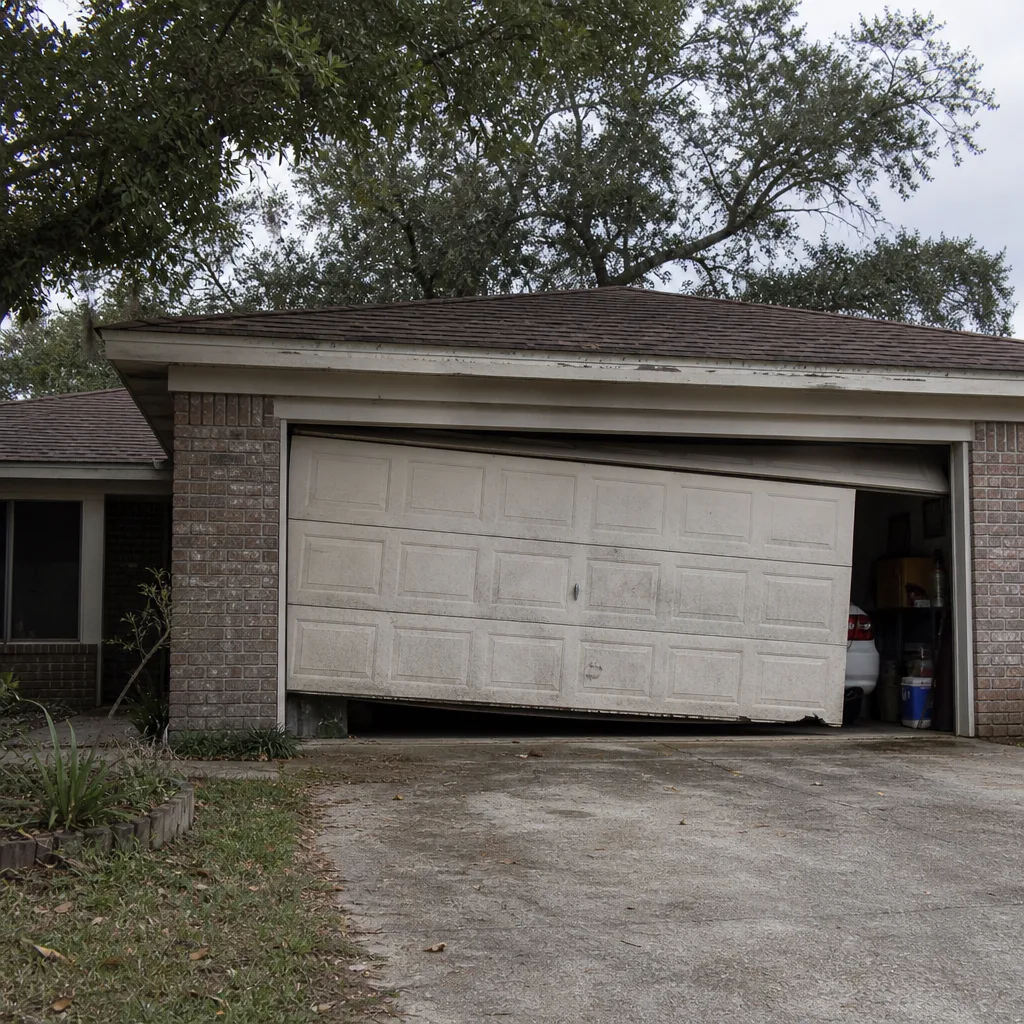 Before
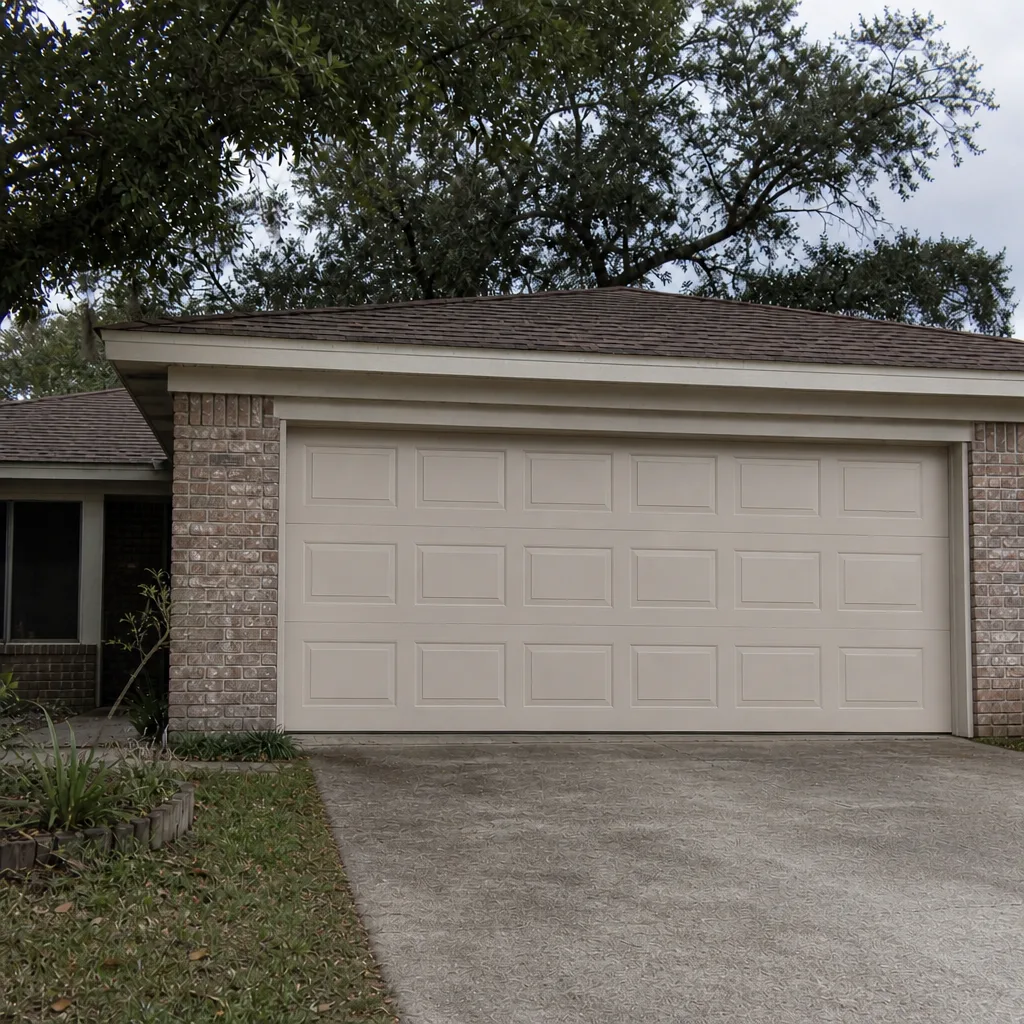 After
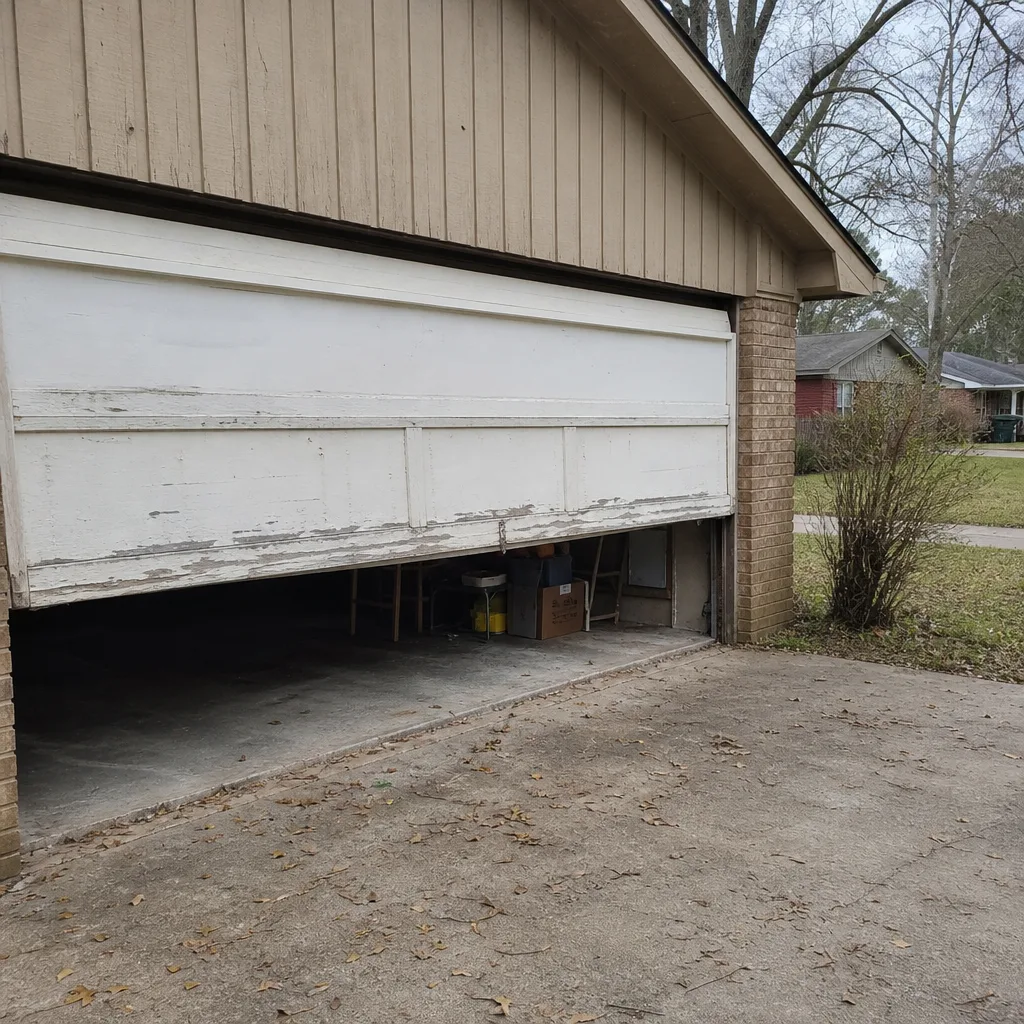 Before
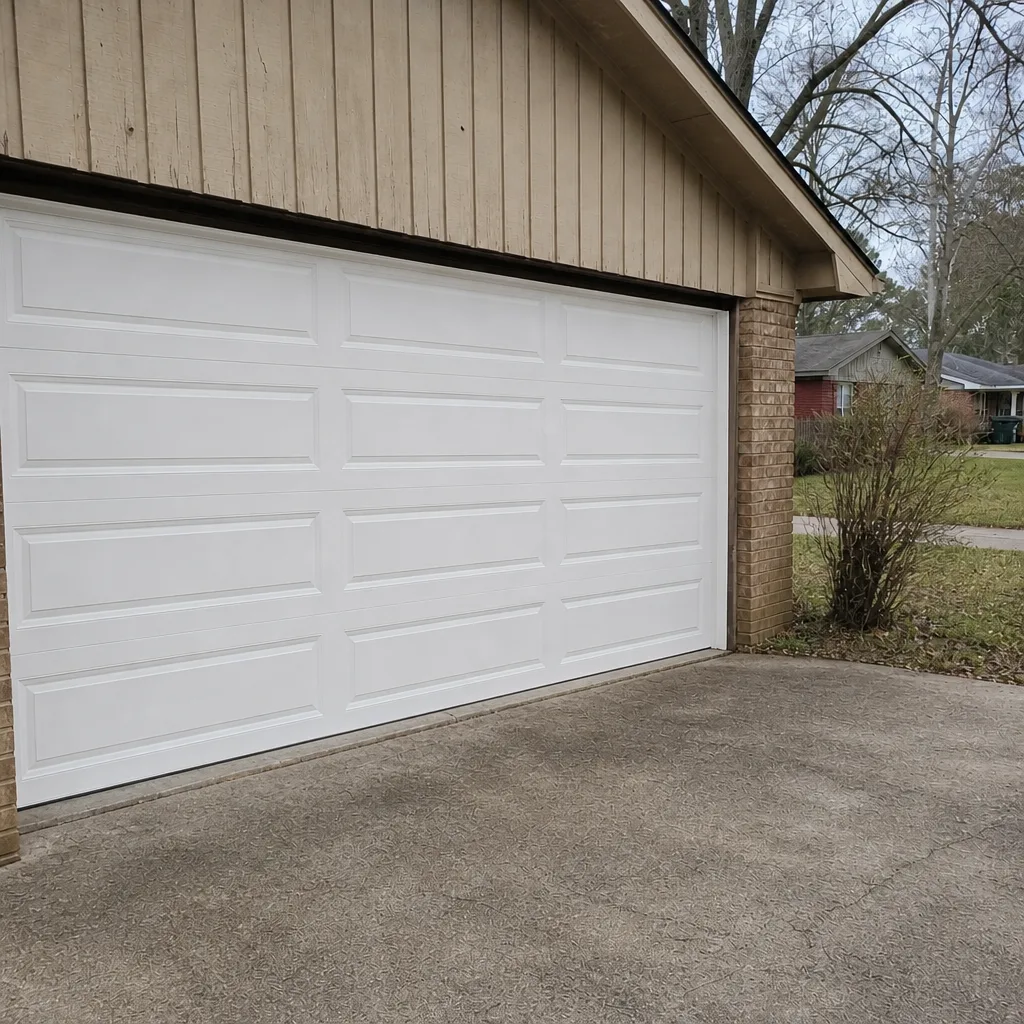 After
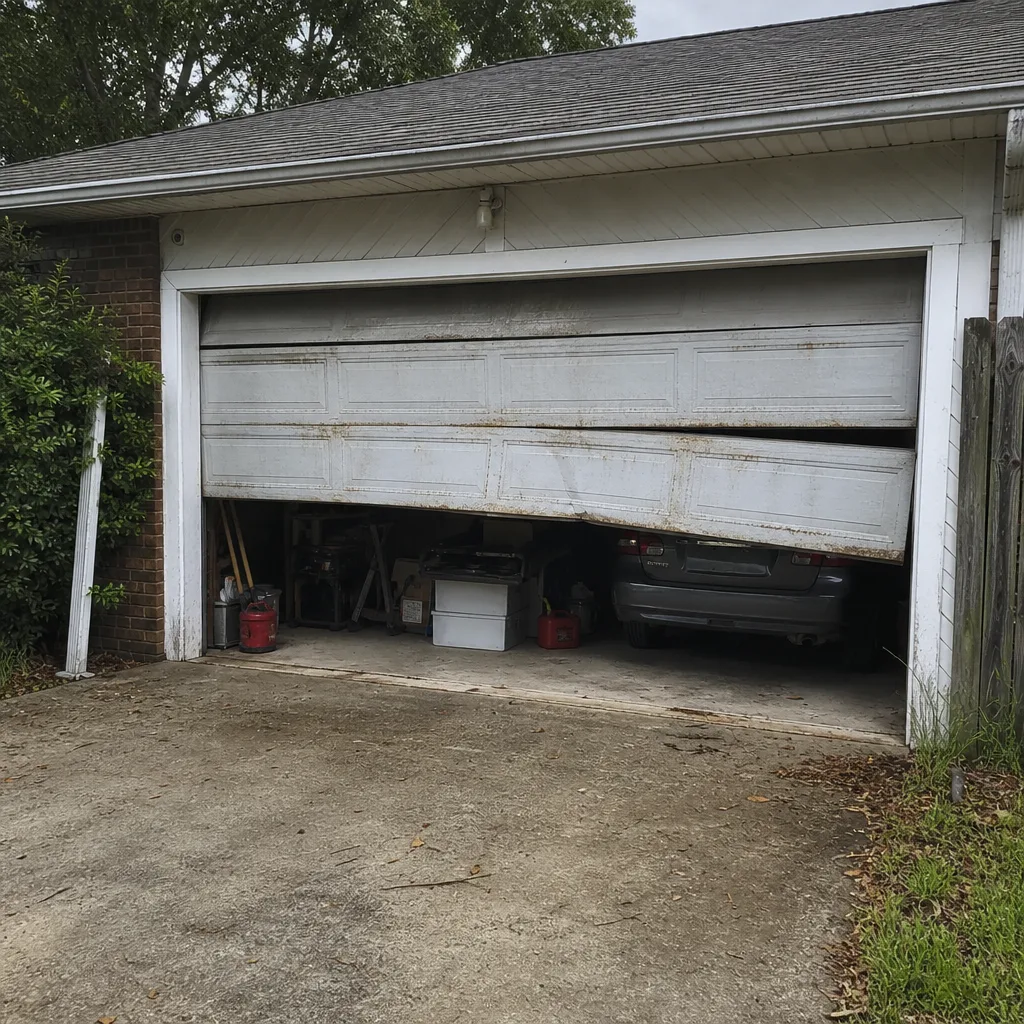 Before
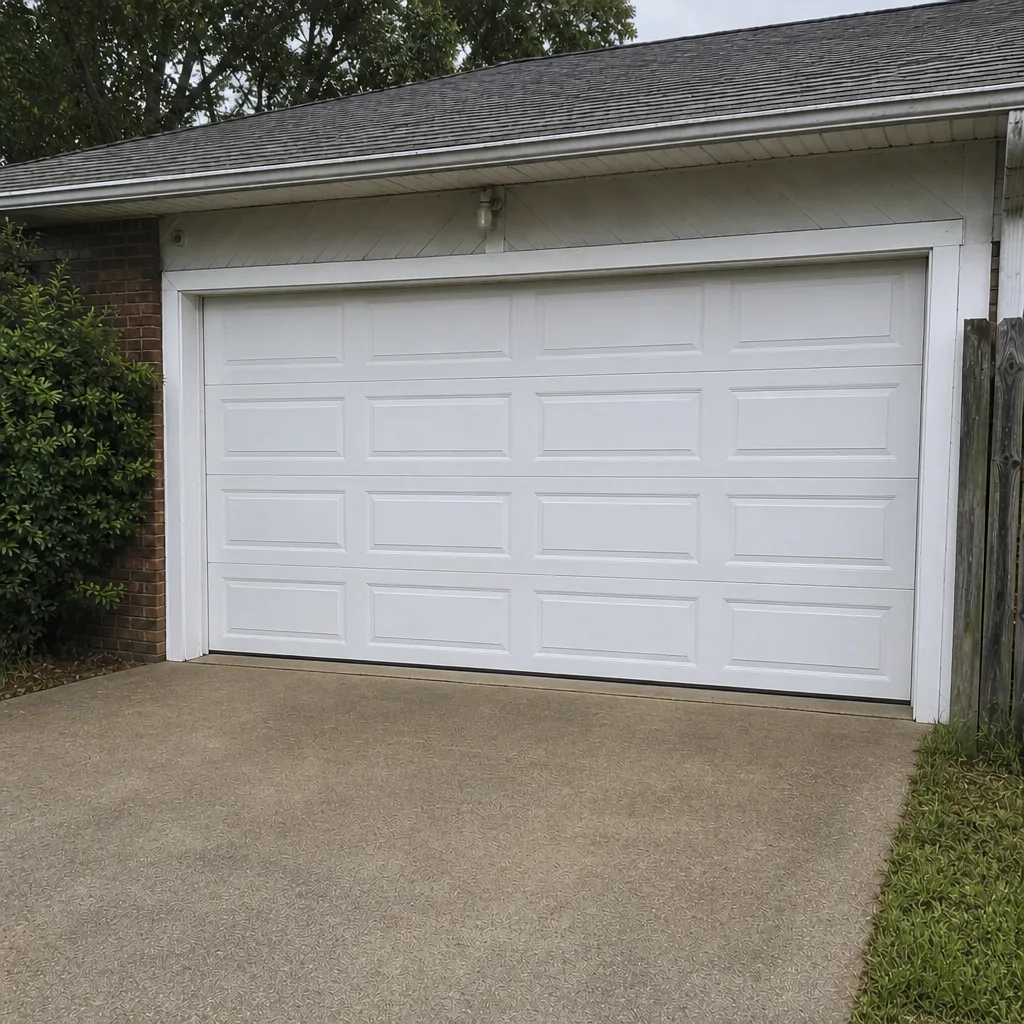 After