
Last updated November 21, 2026
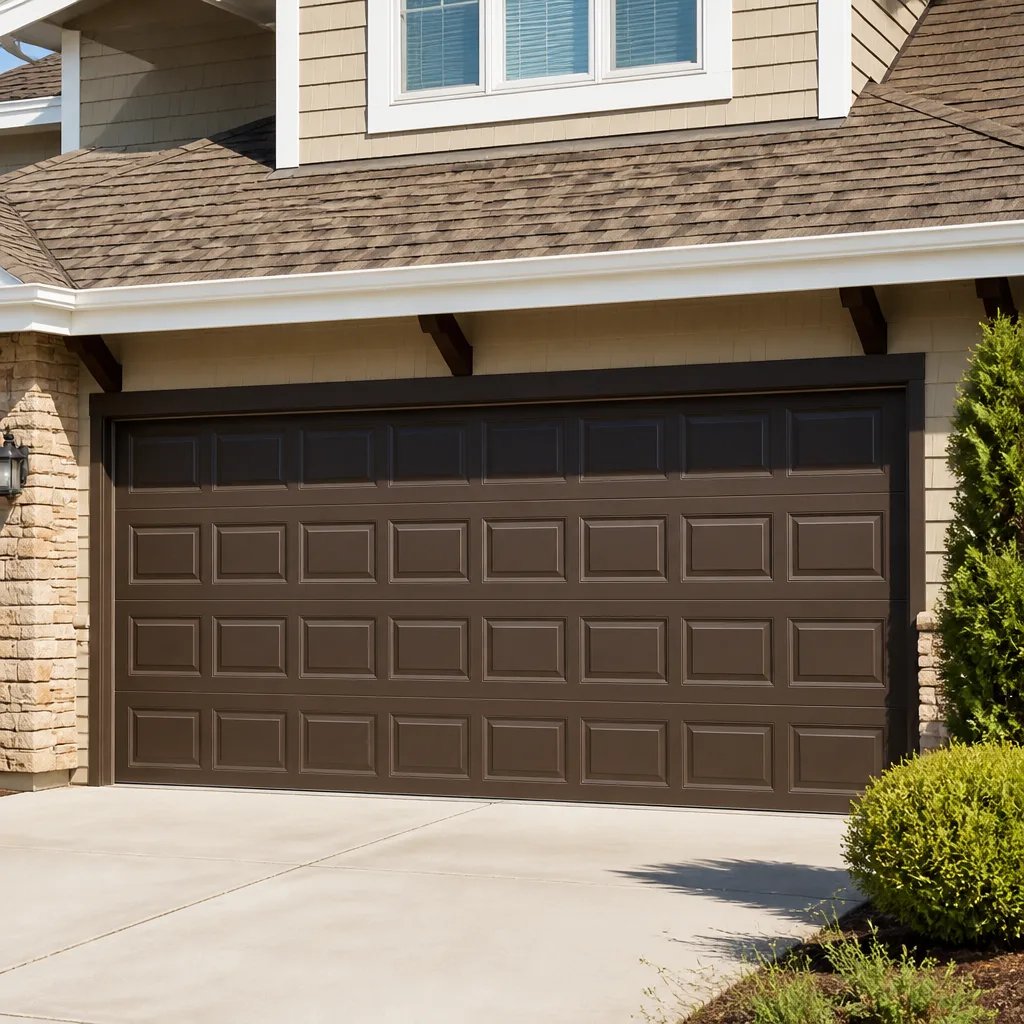 Raised-panel steel
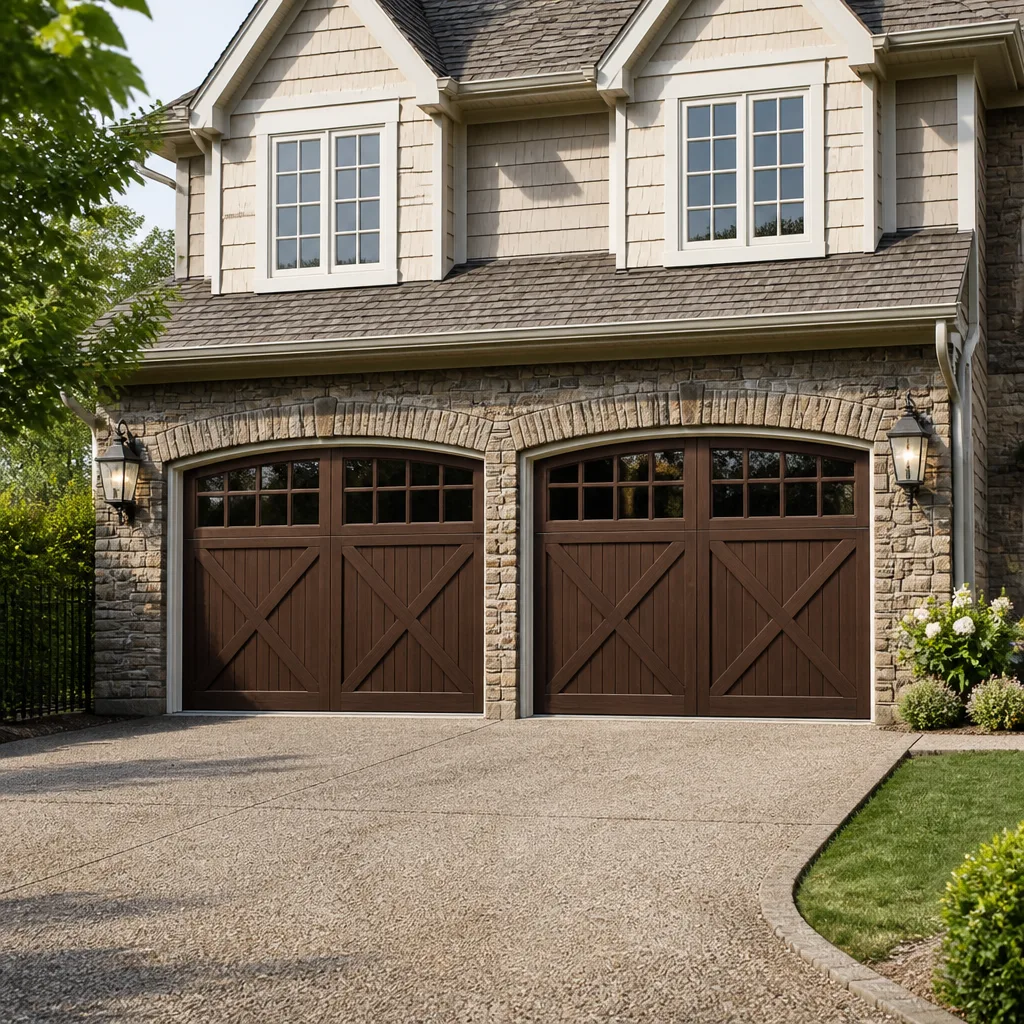 Carriage house
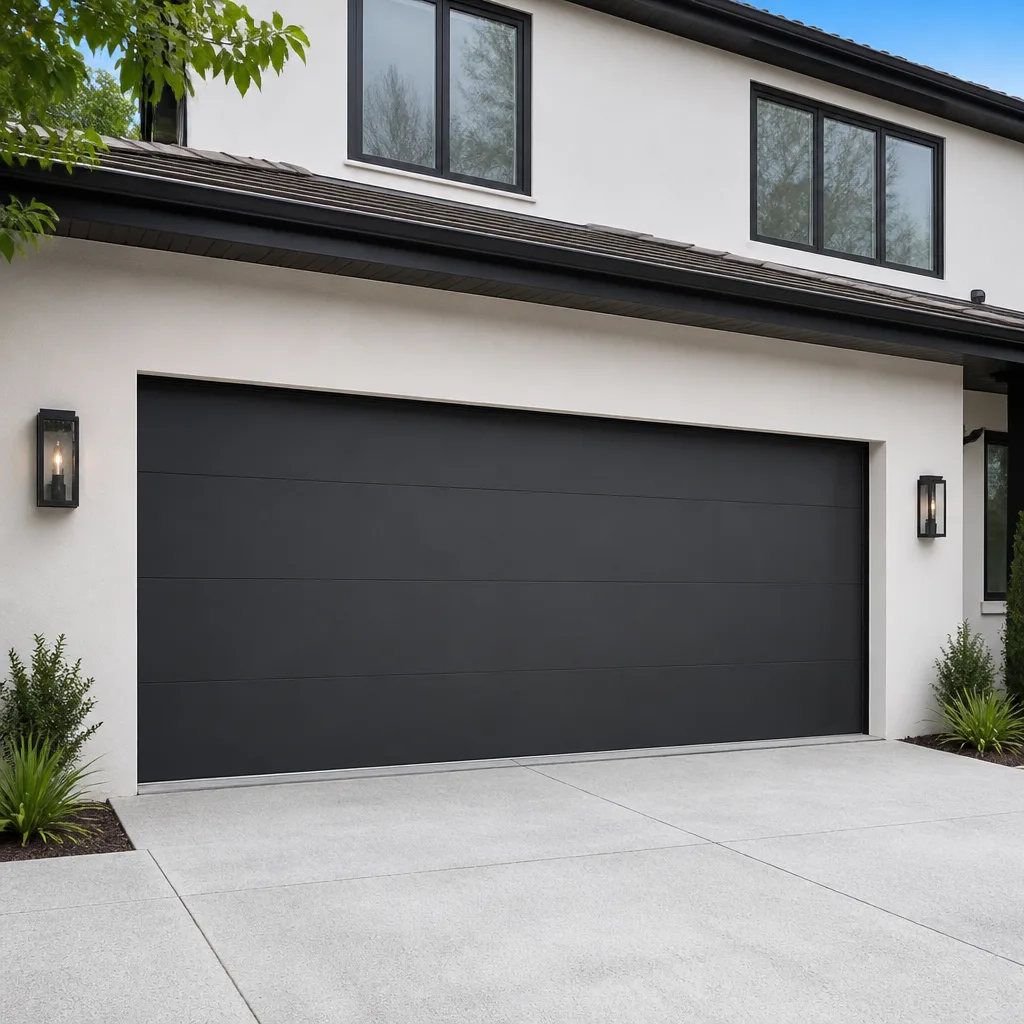 Modern flush
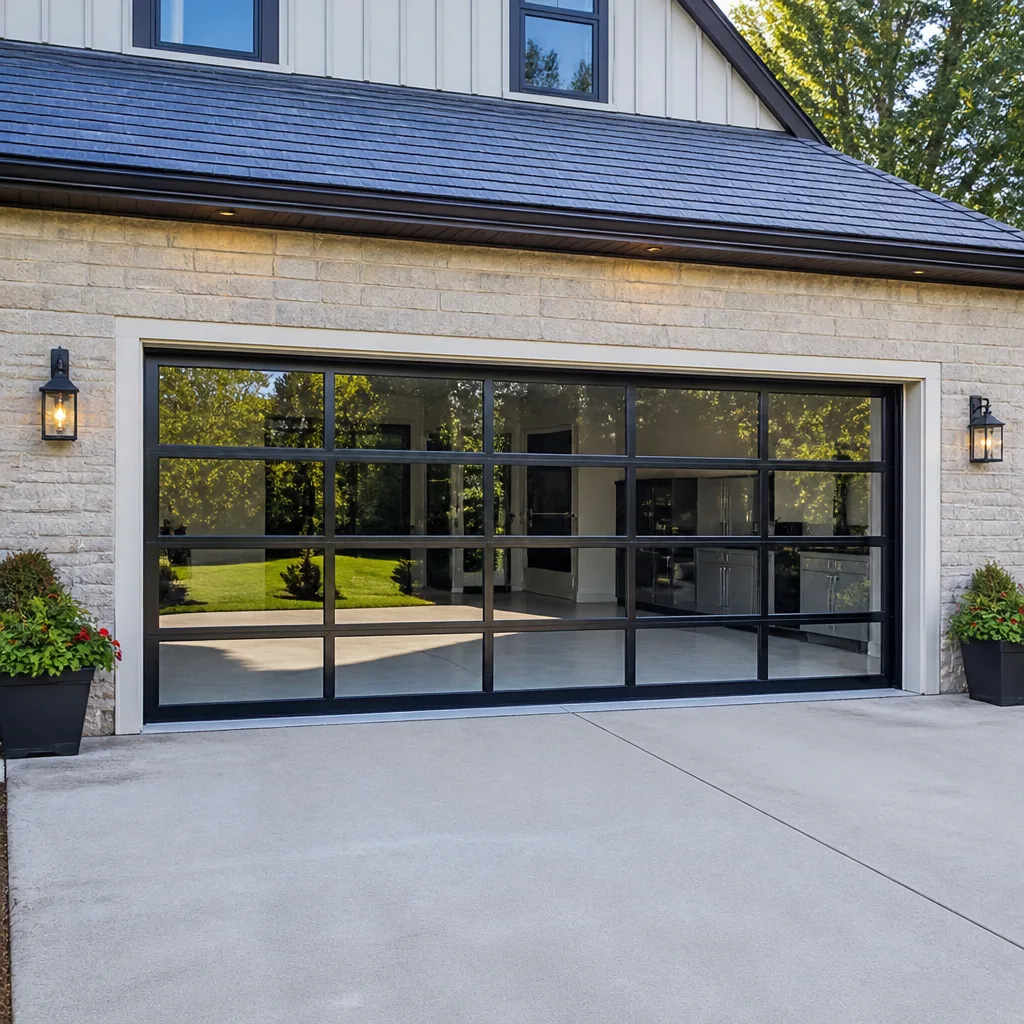 Full-view glass
 LiftMaster openers
 Chamberlain openers
Full 25-point door and opener safety check with every visit - springs, cables, rollers, tracks, and your LiftMaster or Chamberlain opener included
You get a price before we start. It does not change when the pro arrives.
Get your free estimateGarage Door Warning Signs: A Tallahassee Homeowner’s Reference Guide
A garage door that hesitates for two seconds before it moves isn’t “just getting old.” In Tallahassee’s humidity, that pause is often the first sign that a torsion spring has picked up surface rust and is releasing tension unevenly. You usually have a few weeks of warning before that spring lets go under full load. Most of the breakdowns we’re called out to in Tallahassee started as a small sound or a slow start that got explained away. This guide is about those early tells: the ones that look like weather, feel like normal wear, and cost the least to fix while they’re still small.
Quick Answer
The warning signs that matter most on a garage door in Tallahassee are a hesitation before the door moves, uneven travel from one side to the other, and new noises that repeat at the same point in every cycle. These point to spring fatigue, cable wear or track misalignment rather than to the weather. Catch them early and you’re usually looking at a repair. Ignore them and the same fault tends to take the opener or the door panels with it.
Styles & brands we work with
- Raised-panel steel
- Carriage house
- Modern flush
- Full-view glass
- LiftMaster openers
- Chamberlain openers
Table of Contents
- Why a Two-Second Hesitation Matters More Than a Strange Noise
- Humidity Sluggishness vs. Spring Fatigue: How to Tell Them Apart
- What Uneven Door Movement Tells You in a Florida Climate
- The Noise Taxonomy: Which Squeaks, Pops and Grinds Are Serious
- Opener Warning Signs by Brand: LiftMaster, Chamberlain and Genie
- What to Look For on Seals, Cables and Weatherstripping
- A Simple Monthly Walk-Around for Tallahassee Homes
- Repair Now or Replace? How to Frame the Decision
Why a Two-Second Hesitation Matters More Than a Strange Noise
A strange noise gets your attention. A pause doesn’t. That’s why hesitation is the warning sign Tallahassee homeowners most often miss, and it’s usually the one that matters most. When you press the button, the door should start moving within about half a second. A delay of a second or more, especially one that happens every time, means the opener is meeting resistance it shouldn’t be meeting. Torsion springs carry most of the door’s weight. When one loses tension, the opener takes on that load, and the motor has to work harder before anything moves.
Here’s the part that gets missed. A slow first second is the symptom you notice, but the cause sits up on the torsion bar. In Tallahassee’s humid summers, the coils collect condensation and develop light surface rust. That rust doesn’t make the spring snap. It changes how the two springs share the load, so one side does more work. The strain shows up as hesitation at the opener, then as uneven travel, then as a door that won’t stay closed. By the time most people call, they’re describing a different problem than the one that started it.
What to check without touching the springs:
- Time the delay. If the door waits noticeably longer than it used to before moving, write down that it’s happening.
- Watch the door’s first few inches. A door that lifts and then dips slightly before continuing is under uneven tension.
- Listen at the opener. A low hum before the door moves means the motor is running against resistance.
- Check that the manual release still works smoothly. If pulling it feels stiff, the door’s balance is off.
Springs are under extreme tension and are not something to adjust, oil up or test by hand. Our technicians have up to 15 years of experience and treat spring work as a safety job, not a DIY job, because that’s exactly what it is. If you’ve noticed hesitation, it’s worth a look before it turns into something louder. That’s what garage door spring repair appointments are for.
Humidity Sluggishness vs. Spring Fatigue: How to Tell Them Apart
Not every slow door is a failing door. Tallahassee’s warm, wet air makes rollers, hinges and weatherstripping drag in the summer, and that produces real sluggishness that clears up as the season changes. The difference is in the timing. Humidity sluggishness is about friction in the moving parts, so it gets worse through a warm spell and improves once things dry out. Spring fatigue is about balance, so it doesn’t care about the weather at all. It’s there every cycle, in every season, and it slowly gets worse.
Use these contrasts to sort out which one you’re dealing with:
- When does it happen? A door that drags in July but runs fine in November is probably fighting friction. A door that’s slow in January and slow in July has a balance problem.
- Does it change with the day? Weather-related drag shifts through the week. Spring fatigue doesn’t.
- Is it the whole door or one side? Sticky rollers slow the whole door evenly. Losing one spring makes one side lead and the other lag.
- What does it sound like? Humidity friction squeaks and grinds. Tension problems often produce a sharper pop or nothing at all, just that pause.
- What does the door do when closed? If a gap appears along the bottom on one side, the balance is off, not just stiff.
One useful check: open the door by hand with the opener released. A properly balanced door moves with light steady effort and stays put about halfway up. A door that fights you the whole way, or that drops on its own, needs a professional look. We also see a lot of opener trouble in Tallahassee homes that turns out to be the door pulling against a weak spring. If that’s the case, garage door opener repair won’t fix what’s really wrong.
What Uneven Door Movement Tells You in a Florida Climate
In cold climates, uneven movement is often a track or roller issue caused by temperature swings and ice. In Tallahassee, the diagnostic logic runs a different direction. Our temperature swings are modest, so uneven travel points more often to spring tension, cable wear or a track that’s been pushed out of line by a door that’s been riding hard on one side. When a door travels unevenly, the opener works against it, the rollers wear faster, and one panel starts taking more stress than the rest. Left alone, that panel can crack or bow.
Watch for these signs of uneven movement:
- A visible gap of more than a quarter inch between the door and the floor on one side, or a top edge that isn’t straight.
- The door scraping on one track while the other stays quiet.
- Panels that look slightly crooked across their width, not just at the bottom.
- Rollers that are noisy on one side and silent on the other.
- A door that bounces or shudders as it reaches the top.
Track alignment and balance are the two things to have checked first. Both are quick to diagnose and usually inexpensive to fix when they’re caught before the door starts pressuring the opener. On doors we install, we set the balance and track alignment deliberately, and it’s the same standard we bring to repairs. If your door is due for replacement anyway, look at garage door installation before putting money into a door that’s already fighting you.
The Noise Taxonomy: Which Squeaks, Pops and Grinds Are Serious
Noises on a garage door fall into two categories: cosmetic and structural. The trick is that the quietest ones can be the most serious. Here’s how to sort what you’re hearing.
Cosmetic noises
- Squeak on the rollers: usually dried bearings or worn nylon. Lubricant helps and the sound goes away.
- Light rattle when the door moves: loose hardware that needs tightening at the hinges and brackets.
- Whine from the opener: often just the motor. A short high whine on a new unit is normal.
Structural warning signals
- Sharp pop when the door starts or stops: the most urgent sound. It can mean a spring is failing or a cable has jumped its drum. Stop using the door.
- Grinding in the tracks: metal-on-metal contact. Rollers or track alignment are involved, and it will scrape the door up over time.
- Loud bang from the overhead hardware: a fast indication something in the torsion system has given way.
- Gravelly rumble from the opener body: a gear or sprocket wearing inside the unit. Common on older units.
The pop and the bang belong at the top of the list because they’re the sounds most likely to lead to a door that won’t open at all. If you’re hearing either, don’t cycle the door to test it. Call and have it looked at. If the door is stuck open or closed, that’s an emergency garage door service situation, and we answer 24/7.
Opener Warning Signs by Brand: LiftMaster, Chamberlain and Genie
Trouble codes, beeps and odd light patterns are easier to read when you know how a specific brand behaves. The openers in Tallahassee homes are mostly one of three families, and each has patterns worth knowing. We’re factory-familiar with LiftMaster, Chamberlain and Genie, plus Clopay, Amarr, Wayne Dalton, Craftsman and Raynor doors, so diagnosis usually starts with the model rather than the symptom.
LiftMaster
An opener that reverses on its own partway up, or that stops before the floor, is one of the most common LiftMaster complaints. It usually comes back to a safety sensor that’s been knocked out of alignment or a limit setting that’s drifted. On smart-home-connected units, an app that reports repeated obstructions is worth checking against the door itself, since the app is only reporting what the door is doing.
Chamberlain
Flashing lights that don’t match the door’s movement, or a wall control that’s unresponsive, are frequently a wiring or logic board issue rather than a door problem. Chamberlain units share a lot of design with LiftMaster, so the diagnostic path is similar, but the part numbers and control layouts aren’t interchangeable. Getting the right part for your specific model saves a call.
Genie
Genie units often show worn drive gears as a change in how forceful the door sounds when it starts. Chain-drive Genies can also get noisier as tension goes slack. If the opener grinds but the door moves freely by hand, the problem is in the unit; if the door fights you by hand, the problem is with the door’s balance.
Older Craftsman units
We still see a lot of legacy Craftsman openers in Tallahassee. They’re reliable, but the parts and logic boards for older models are less common, so knowing when to repair and when to replace matters. A gear and sprocket kit is often a straightforward repair; a failed logic board on a unit with worn components usually isn’t worth the money.
One safety note: opener repairs involve the opener’s electrical wiring and the door’s balance, so have a trained technician handle anything beyond resetting a sensor or limit. Don’t open the unit’s housing.
What to Look For on Seals, Cables and Weatherstripping
Tallahassee’s moisture hits the soft parts of a garage door first. The bottom seal, the weatherstripping around the frame and the cables are all more vulnerable here than in a dry climate, and they give you early warnings if you know where to look.
Bottom seals
A bottom seal that’s cracked, flattened or peeling away lets rain and warm, humid air under the door. In a Tallahassee summer, that means water on the floor and a small opening that pests find. Run your hand along the seal and look for splits, soft spots or sections that no longer press against the floor. A seal that’s hardened or torn anywhere needs replacing.
Weatherstripping
Look at the sides and top of the frame. Weatherstripping that’s shrunk, pulled loose from its nails or turned brittle is the usual pattern here. When the stripping has gaps, the door doesn’t seal, and the sun and moisture get to the door’s edges.
Cables
Cables run along each side under significant tension. Frayed strands, a cable that looks stretched near the drum, or one that’s come off its drum are all serious. Don’t try to rewind a cable by hand. Cables are as dangerous as springs, and both belong to a trained professional. Look from a distance, note anything that looks frayed or out of place, and leave it for us.
If the seals and cables on your door are showing this kind of wear, an inspection is quick. Call (866) 374-8948 and we’ll come look. We answer 24/7. Fast dispatch from 7am to 7pm, Sunday through Friday.
A Simple Monthly Walk-Around for Tallahassee Homes
You can catch most of the warning signs in this guide with a five-minute check once a month. Do it with the door closed and the opener disengaged, watching and listening rather than touching the springs or cables.
- Press the button and watch the first two seconds. Note any hesitation, stutter or dip on the first few inches.
- Watch the door travel the full way up and back. Look for one side leading, scraping at the tracks or a bounce at the top.
- Listen through a full cycle. Note any pop, sharp grind or new sound that repeats at the same point.
- Look at the bottom seal and side weatherstripping. Check for splits, soft spots, gaps or loose stripping.
- Look up at the torsion bar and springs from the floor. Note rust, sagging or any visible gaps. Don’t reach up to touch or test them.
- Check the cables from a safe distance. Fraying, slack or a cable off the drum goes on the list for a professional.
- Test the safety reversal with a block of wood or a box. A door that doesn’t reverse when it meets resistance needs attention.
- Release the opener and lift the door by hand. If it’s heavy or drops on its own, the balance is off.
Once a season, do the same walk-around after a stretch of humid weather and again as it dries out. Write down anything new. When you call us, a note about exactly when the sound happens or how long the hesitation lasts shortens the visit.
Repair Now or Replace? How to Frame the Decision
Repair or replace isn’t usually a close call once you know what to check. Repair makes sense when the door structure, panels and tracks are sound and the problem is confined to one or two parts: a spring, a cable, a roller set, a seal or a gear on the opener. Replacement makes more sense when several parts have worn out together, when the panels are rusting or cracked, or when the opener has gotten so old that parts are hard to source.
Ask these questions before deciding:
- Are the panels straight and rust-free?
- Are the tracks still straight and securely mounted?
- Is the door’s structural frame sound?
- Are the seals and cables the only things that need attention?
- Is the opener the same age family as the door, and is it repairable?
- Will the door close and balance properly after the repair?
If you answer yes to the first four and you’re only dealing with a spring, a set of rollers or a seal, a repair is usually the right call. If you’re answering no on the door itself, replacement usually costs less over time than a series of repairs. Either way, we’d rather tell you what your door actually needs than sell you a new one. Our technicians have up to 15 years of experience and usually have a clear answer in a few minutes of looking at the door.
Common Mistakes to Avoid
- Calling hesitation “just getting old.” The two-second pause is a balance problem, not a sign of age, and it gets louder before it gets quiet. Address it while the door still opens.
- Oiling the springs to stop a noise. Springs don’t need oil and they aren’t safe to handle. Leave them to a technician who can inspect and replace them properly.
- Blaming the opener first. Many opener failures in Tallahassee are actually the door pulling against a weak spring. Test the door by hand before calling the opener dead.
- Ignoring a small bottom-seal gap. Our humidity gets under a worn seal fast, and a small leak turns into a wet floor and a problem with the door’s edges.
- Using a door that’s making a sharp pop or bang. Stop cycling it and call. A door that fails with a car under it or a person nearby is a real risk.
- Hiring a general handyman for spring work. Springs and cables are a specialist job and need the right tools and knowledge. We do spring work as a dedicated service, and it’s not something to cut corners on.
- Tuning out one-sided noises. A noise on one side is a track or balance issue, and it wears one panel faster than the rest.
See the difference
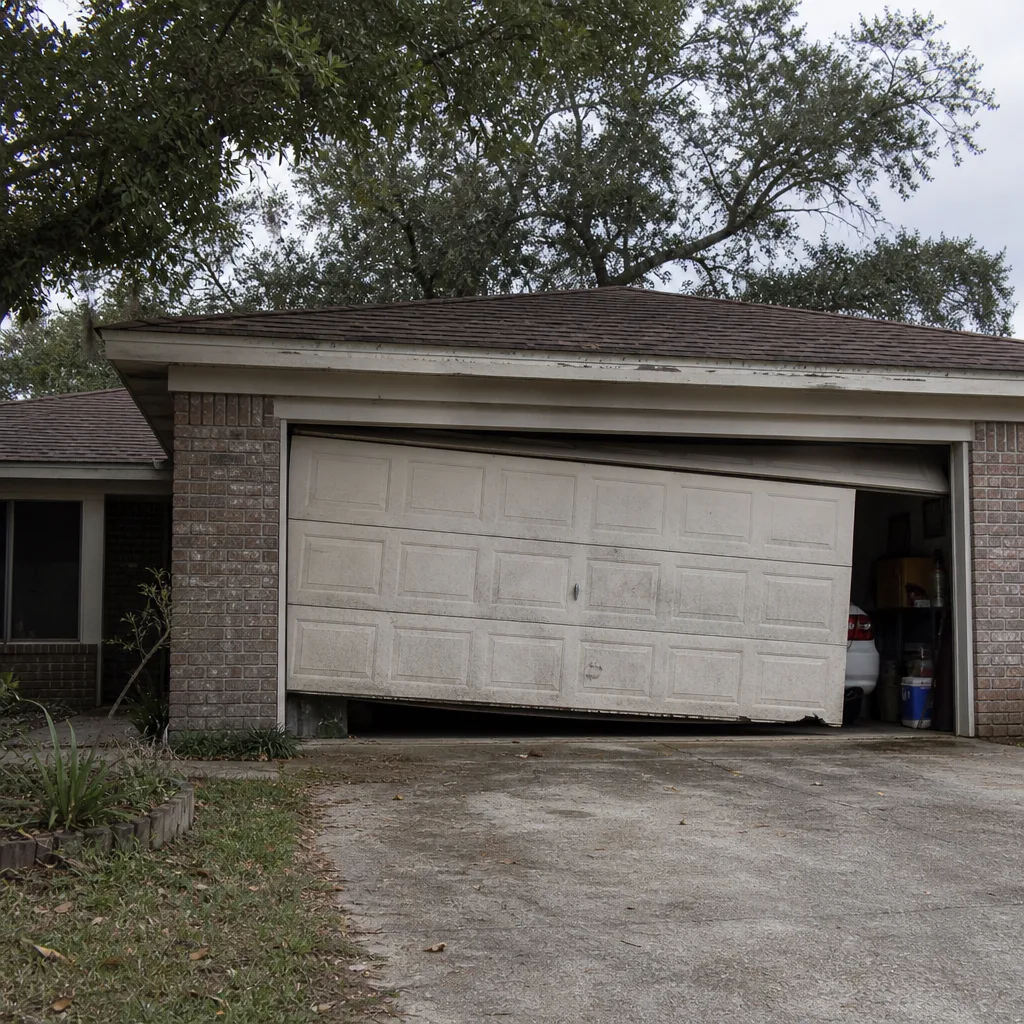 Before
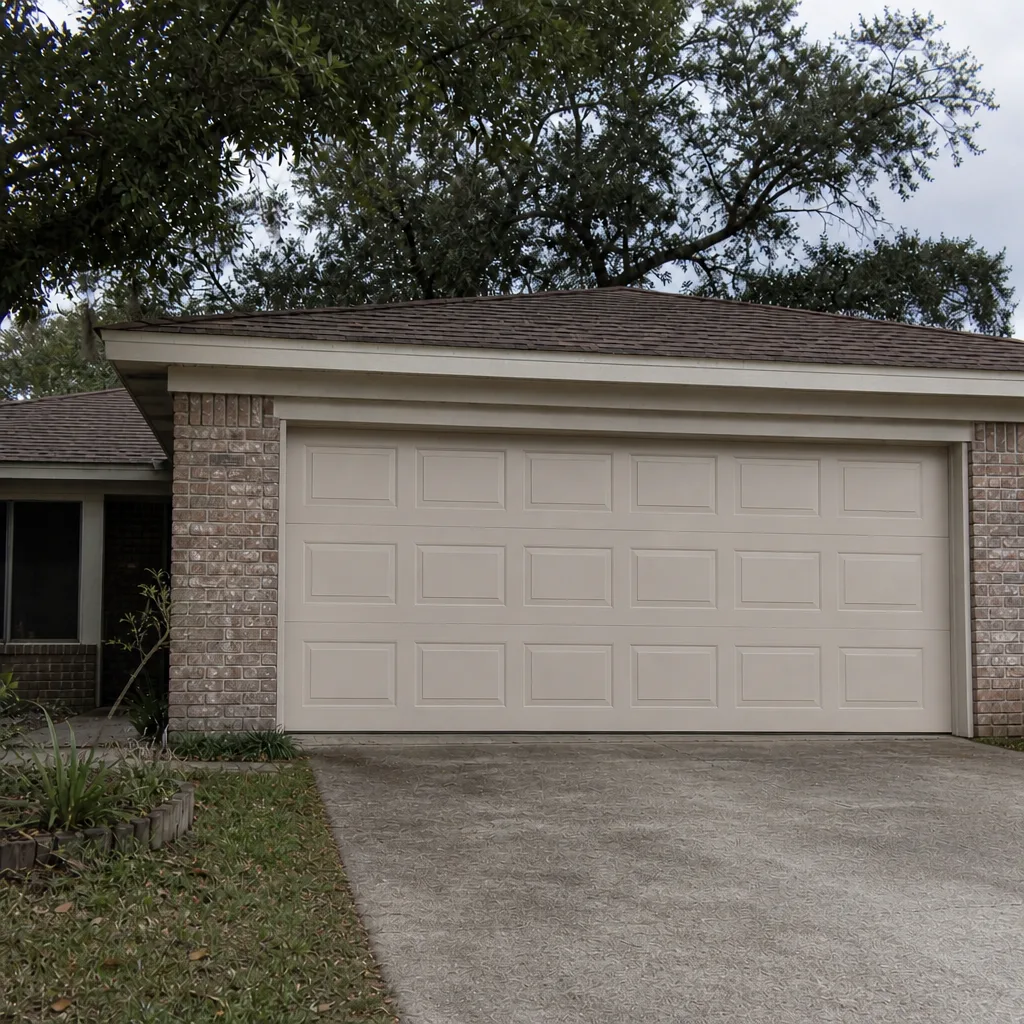 After
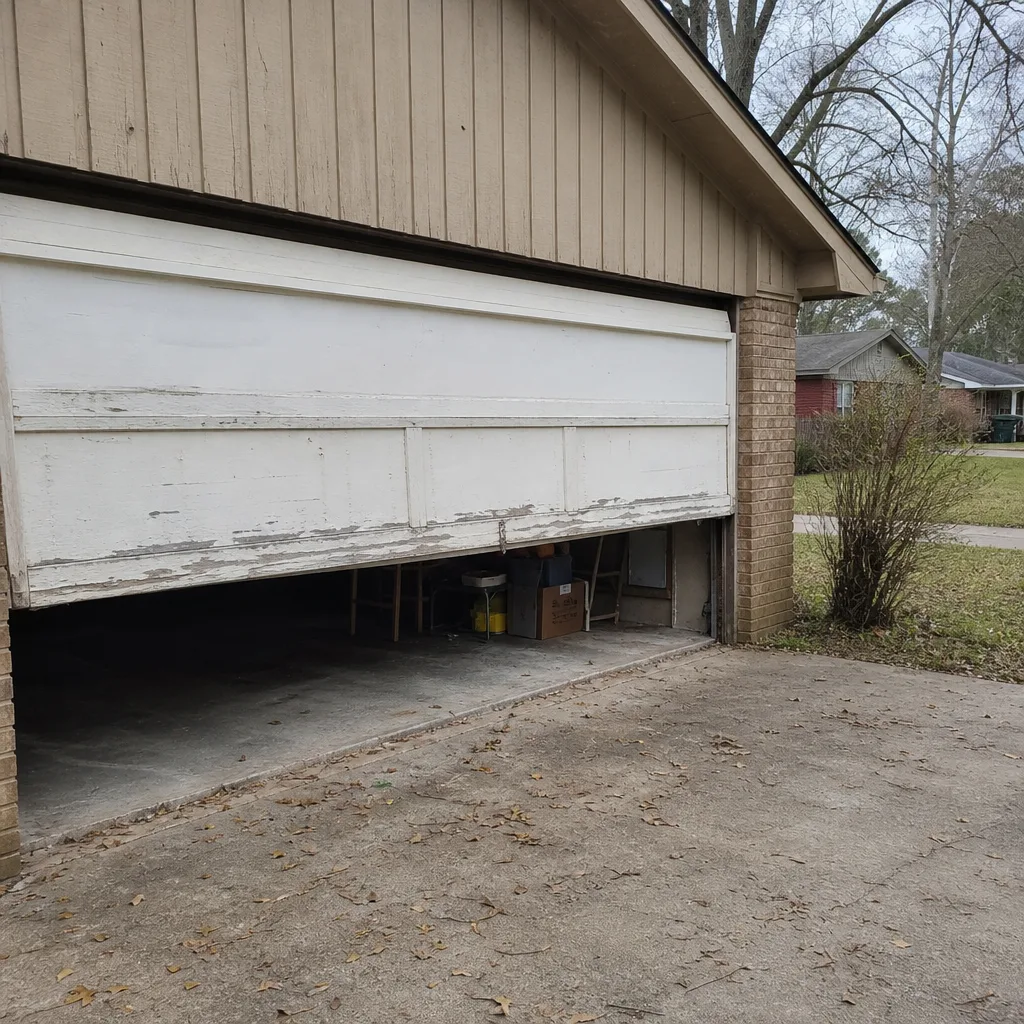 Before
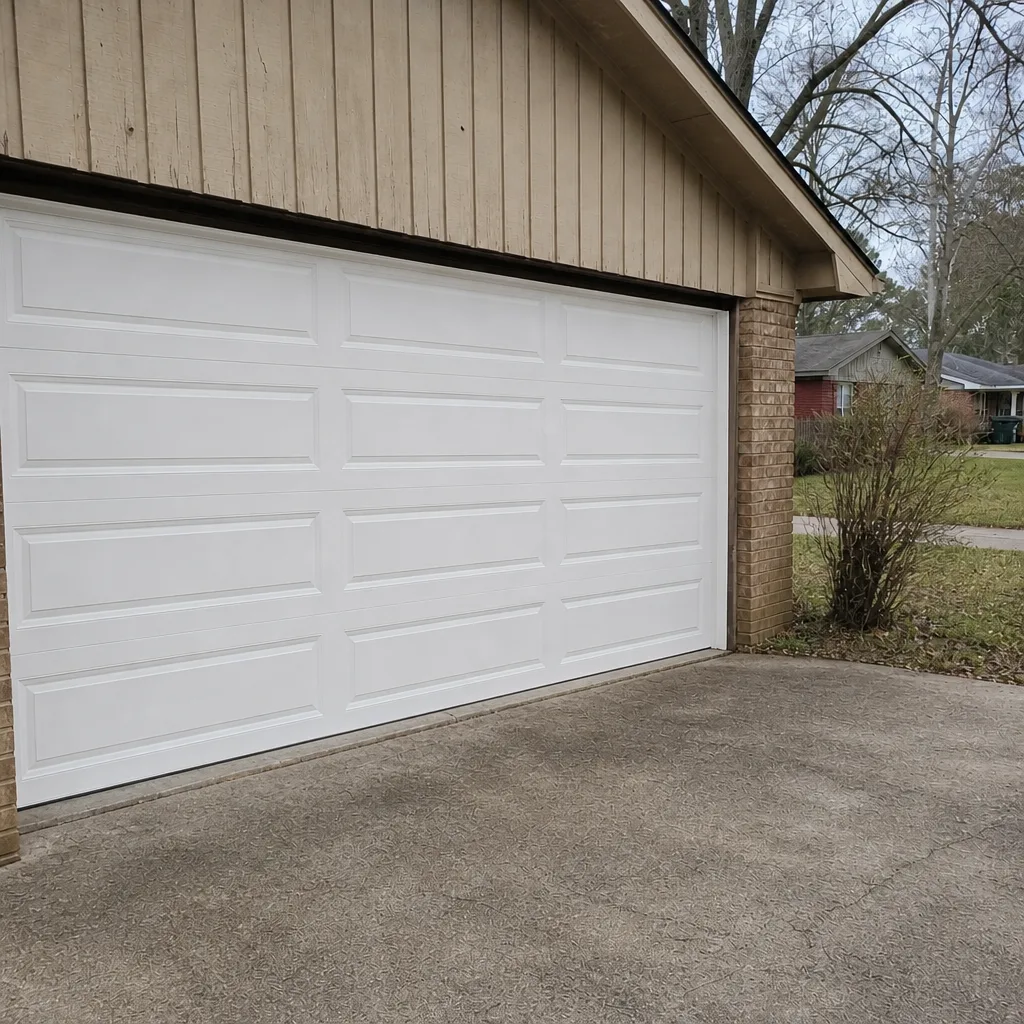 After
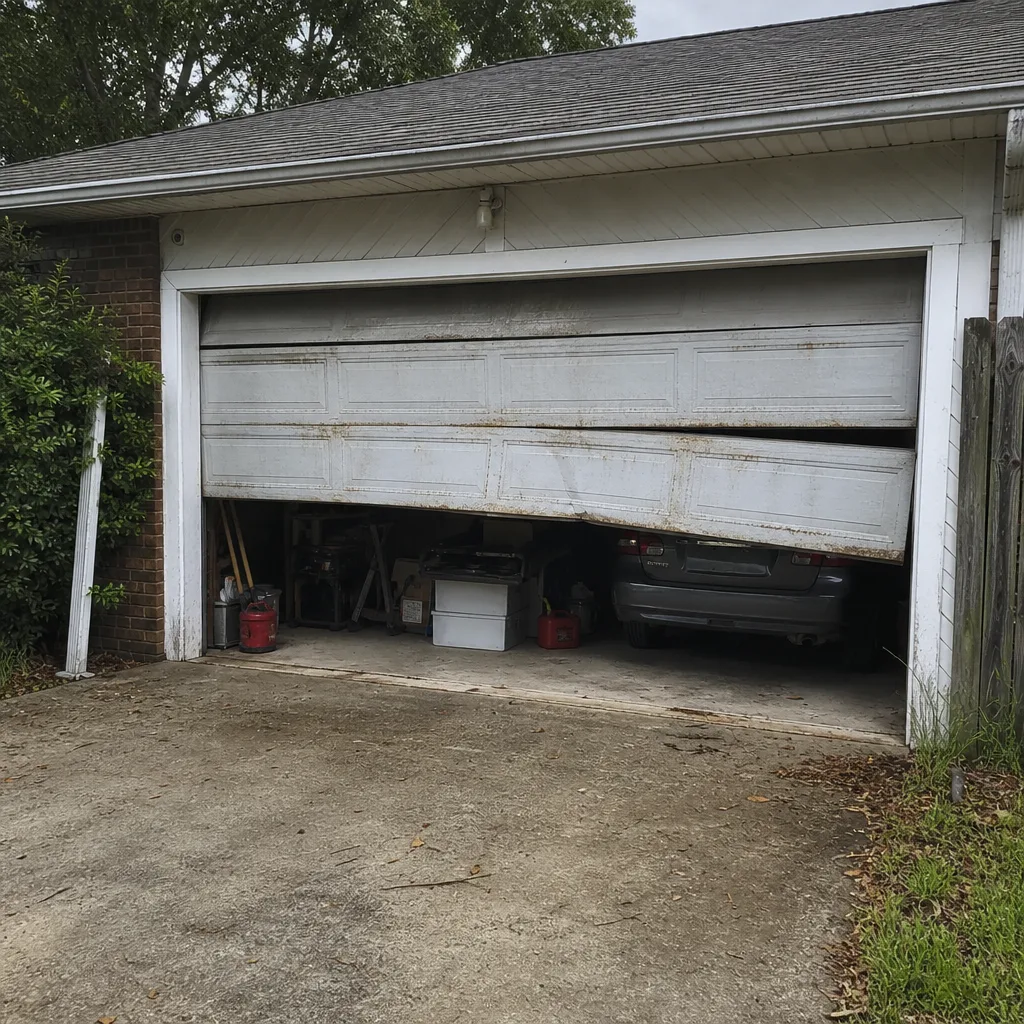 Before
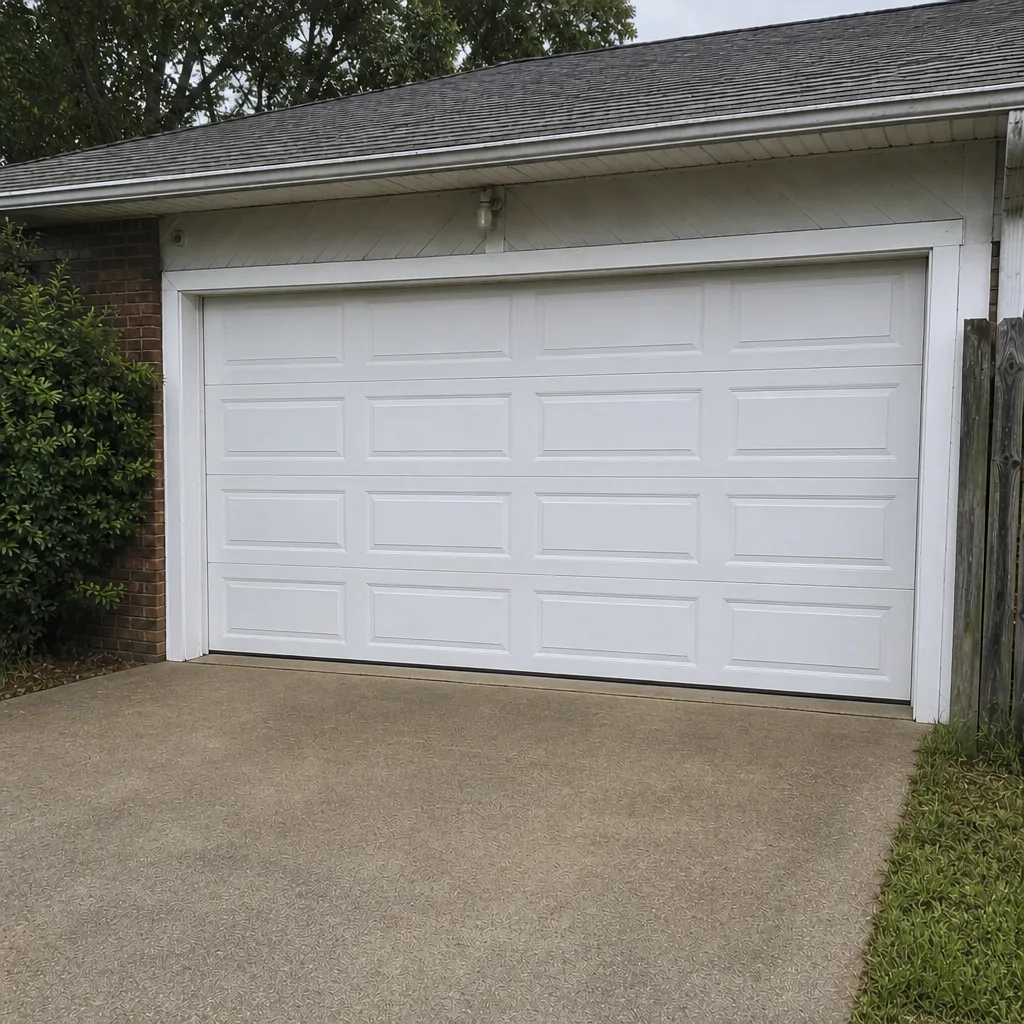 After
When to Call a Professional
Call a professional when you notice any of these: a pause before the door moves, uneven travel or a gap at one side, a sharp pop or bang, a grinding sound from the tracks, frayed or slack cables, a door that won’t reverse when it meets resistance, or a door stuck open or closed. Also call when you’re unsure, especially about anything on the torsion bar. Our technicians have up to 15 years of experience and can diagnose the problem quickly, and we work on the brand you already own. Tallahassee Garage Door Repair Co offers free estimates in Tallahassee. Call (866) 374-8948. We answer 24/7. Fast dispatch from 7am to 7pm, Sunday through Friday. The price is agreed before any work starts.
Frequently Asked Questions
The clearest signs are a delay before the door moves, uneven travel from one side to the other, and a sharp pop when the door starts or stops. In Tallahassee’s humidity, rust on the coils often comes first. Treat spring and cable diagnosis as a professional job. Call (866) 374-8948 and we’ll come look at it. Estimates are free.
Hesitation usually means the opener is fighting resistance it shouldn’t be meeting. A spring with uneven tension or a door that’s out of balance is the most common cause. Have it checked before the opener takes on the extra load and fails. Call (866) 374-8948 and we’ll come look at it. Estimates are free.
Test the door by hand with the opener released. If it lifts with light effort and stays put halfway up, the opener is the likely problem. If the door fights you or drops, the problem is with the door. Call (866) 374-8948 and we’ll come look at it. Estimates are free.
A sharp pop when the door starts or stops, and a loud bang from the torsion hardware, are the most urgent. Both can mean a spring is failing or a cable has jumped, which can drop the door. Stop using the door, call us, and don’t try to move it by hand. Call (866) 374-8948. We answer 24/7. Estimates are free.
Humidity speeds up wear on the soft parts of the door and adds surface rust to the torsion bar and coils. That makes friction and tension problems show up sooner here than in dry climates. A monthly walk-around catches most of them early. Call (866) 374-8948 for an inspection. Estimates are free.
We connect you with local professionals who are licensed and insured as their state requires. And the price is quoted and agreed before any work starts. Call (866) 374-8948 for an exact quote. Estimates are free.
The Bottom Line
Most garage door failures in Tallahassee give you weeks of warning: a pause, a crooked line, a sound that repeats at the same point in every cycle. The warning signs in this guide are small on purpose. That’s what makes them easy to miss and cheap to fix. If you notice any of them, don’t wait for the pop. A quick check today is usually far less expensive than the repair the sign is heading toward. We’d rather look at your door early than replace it late.
Written by the team at Tallahassee Garage Door Repair Co.