
Last updated November 21, 2026
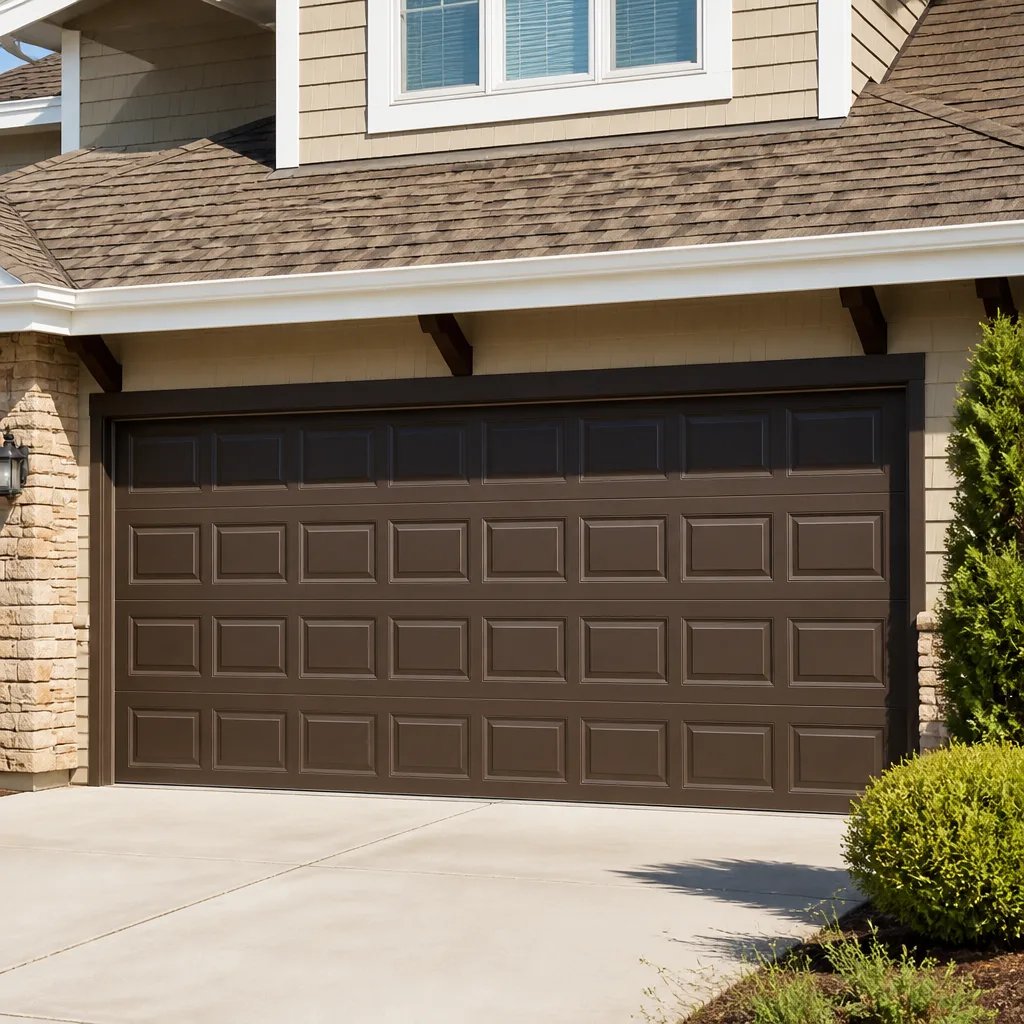 Raised-panel steel
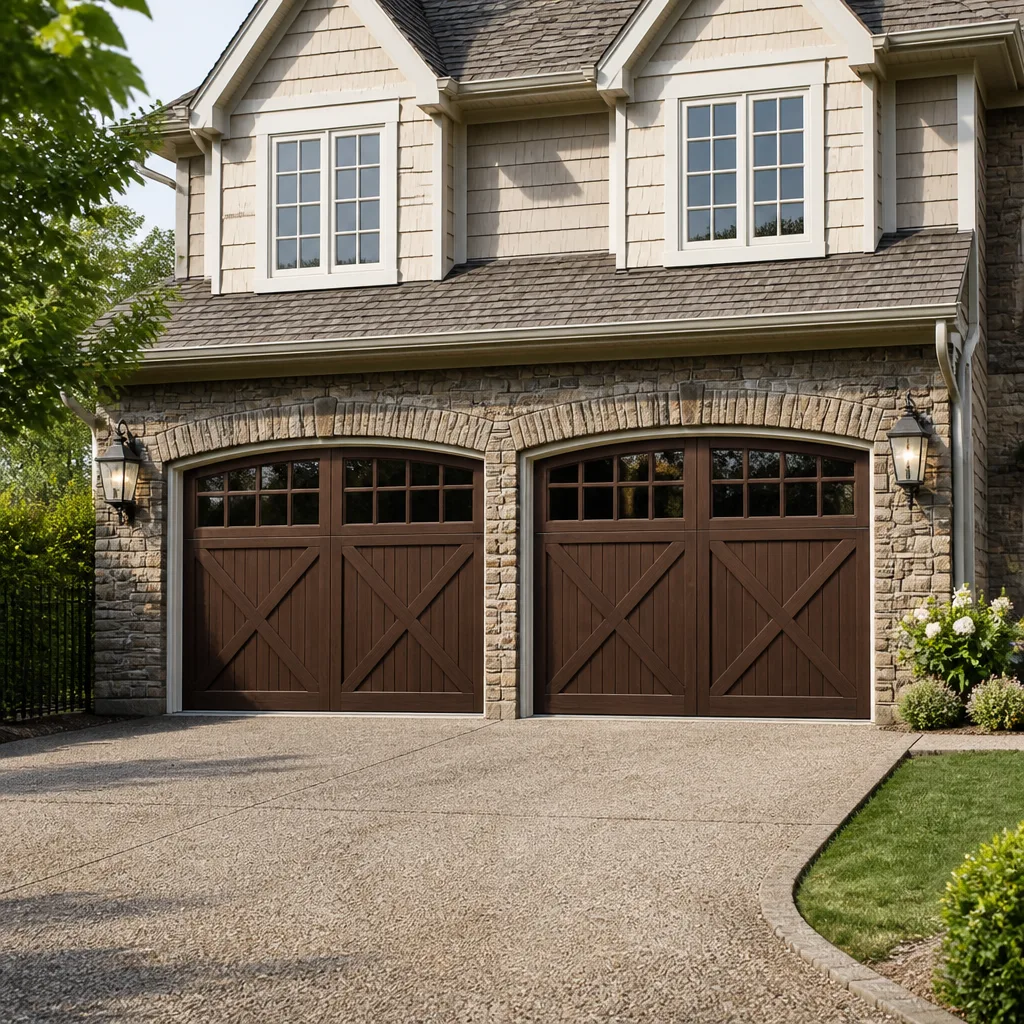 Carriage house
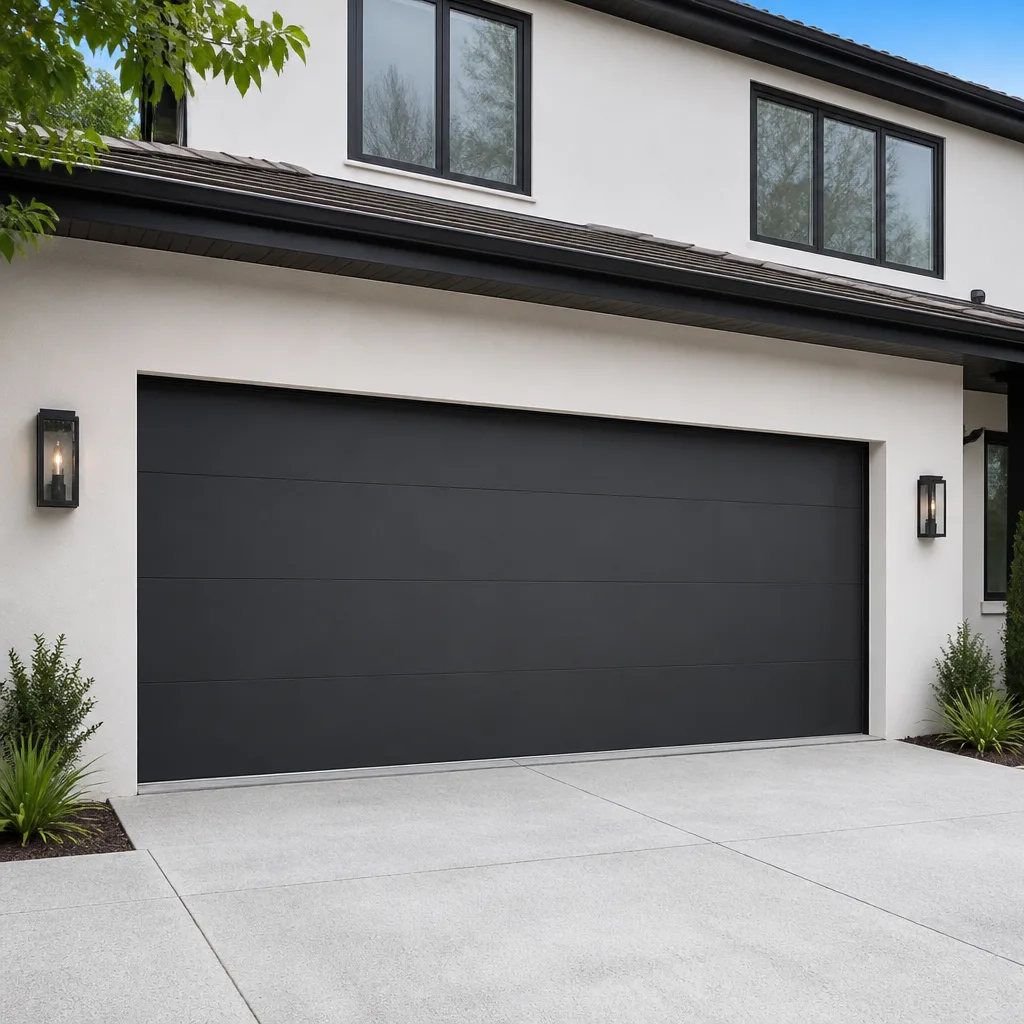 Modern flush
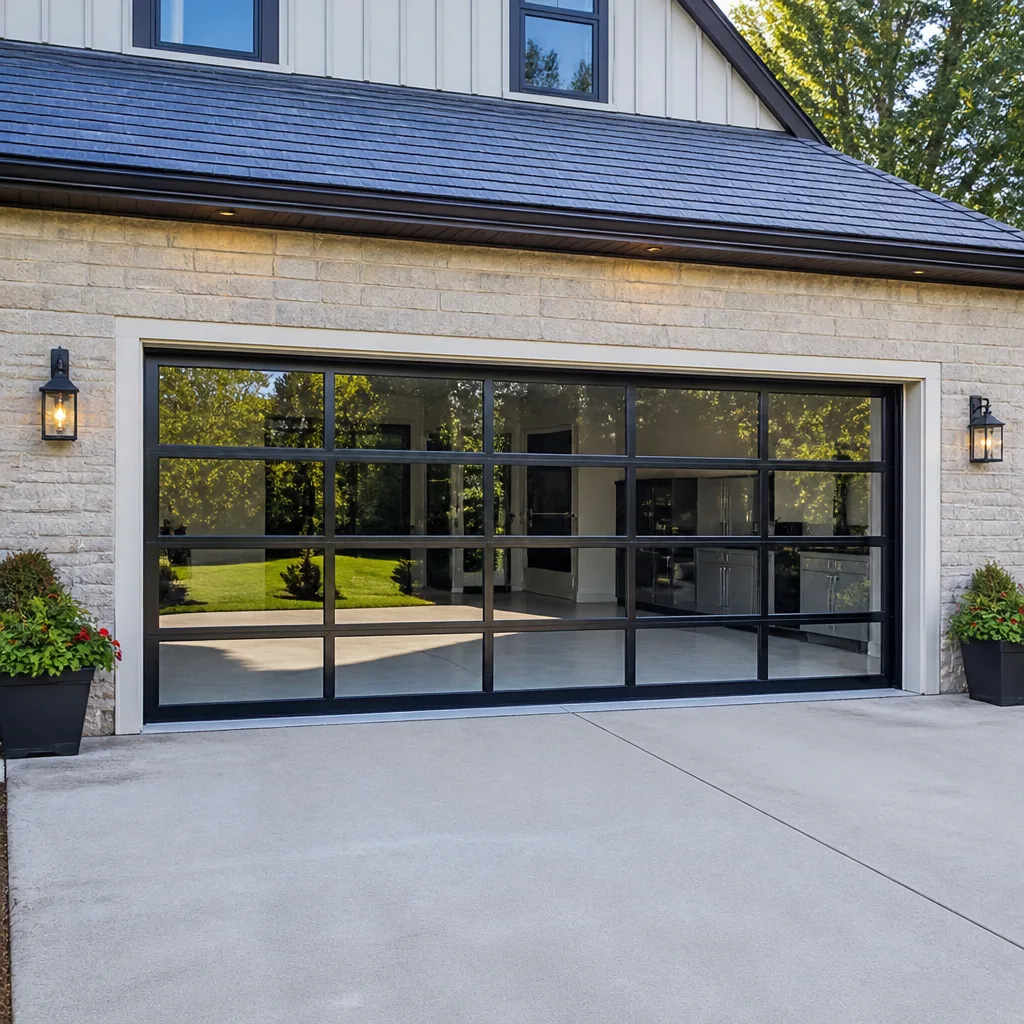 Full-view glass
 LiftMaster openers
 Chamberlain openers
Full 25-point door and opener safety check with every visit - springs, cables, rollers, tracks, and your LiftMaster or Chamberlain opener included
You get a price before we start. It does not change when the pro arrives.
Get your free estimateGarage Door Permits, Codes & Inspections in Tallahassee, FL: What You Need to Know
Most homeowners assume a garage door replacement is a simple swap with no paperwork. In Tallahassee, it isn’t. After Hurricane Michael hit the Panhandle in 2018, Florida tightened its wind load requirements for garage doors, and Leon County enforces those rules on replacement and new installation. That means the door protecting your home is also a regulated building component with a permit file behind it. Skip that step and you can run into trouble at insurance time or when you sell. This guide walks through when a permit is required in Tallahassee, what the inspector checks, and how the process works from start to finish.
Quick Answer
In Tallahassee and the rest of Leon County, replacing or newly installing a garage door generally requires a building permit because the door is a rated wind-barrier component under the Florida Building Code. Simple repairs like spring swaps, opener fixes, or roller replacement usually don’t need a permit. The door itself must meet the wind load and impact standards for this part of Florida, and a final inspection confirms the anchoring, bracing, and opener safety features before the job is closed out.
Styles & brands we work with
- Raised-panel steel
- Carriage house
- Modern flush
- Full-view glass
- LiftMaster openers
- Chamberlain openers
Table of Contents
- Why Florida treats garage doors as code-regulated
- Which Tallahassee jobs need a permit and which are exempt
- Wind load requirements and the ratings to look for
- The Leon County permit process, step by step
- What the final inspection actually covers
- How unpermitted work affects insurance and a home sale
- Common mistakes to avoid
- Frequently asked questions
Why Florida Treats Garage Doors as Code-Regulated
A garage door is the largest moving opening in most houses, and in a storm it’s often the first thing to fail. Once wind gets inside through a failed door, the pressure can lift a roof. That’s why Florida’s building code classifies the garage door as a structural component with specific wind and impact ratings, not just a cosmetic finish. After Hurricane Michael in 2018, the state revisited and tightened those requirements, and the code in effect today reflects that tightening.
In Tallahassee, that matters more than people expect. This part of North Florida sits far enough inland that hurricanes often arrive weakened, but the region still takes direct hits and strong tornado-spawned winds. A door rated for a lower wind zone may pass a visual check and still fail inspection, or fail in a real storm. The code exists because the door and its hardware have to hold.
What the code covers
The Florida Building Code addresses several things about a garage door at once:
- The door’s design pressure rating and how it’s labeled
- Impact resistance where the code requires it
- The anchoring of the track and the door to the framing
- Reinforcement of the door panels and the header
- Opener safety features, including the reversal system
The exact requirements depend on your home’s location, construction, and the wind zone assigned to it. That’s why the first step in any Tallahassee garage door project is confirming what your specific address requires rather than assuming a standard door will do.
Which Tallahassee Jobs Need a Permit and Which Are Exempt
The permit line in Leon County is fairly clear once you know where it sits. A full door replacement or a new installation is a permitted job because it changes the wind-barrier assembly. Routine repair work on an existing, already-permitted door generally is not.
Jobs that typically require a permit
- Replacing an entire garage door, including a like-for-like swap
- Installing a door on a new garage opening
- Changing the door size or the opening
- Converting a manual door to an opener-driven door in some cases
- Structural changes to the header or framing around the door
Jobs that usually don’t
- Spring replacement or repair
- Opener repair or replacement of the motor unit
- Roller, hinge, or cable replacement
- Track adjustment or realignment
- Weather seal replacement
The one caveat is that a repair can edge into permit territory if it changes the door’s structure, size, or wind rating. A door panel swap that replaces a rated panel with a non-rated one is a good example, because the assembly’s rating may no longer match what was originally permitted. When in doubt, a quick call to the Leon County Building Department settles it, and it’s worth making that call before the work starts.
If you’re not sure whether your job crosses the line, our garage door repair team can usually tell you over the phone. Small repairs like a squeaky roller or an opener remote that needs reprogramming can be handled on a scheduled weekday without any permit involvement.
Wind Load Requirements and the Ratings to Look For
Wind load is the number that determines whether a garage door is acceptable in Tallahassee. It’s expressed as a design pressure, and a door carries a label on the panel assembly or a document from the manufacturer stating the rating. If you’re replacing a door, the new one has to meet or exceed what the code requires for your home’s wind zone and exposure category.
Two standards come up in nearly every door spec sheet:
- ANSI/DASMA 102, the door standard that covers wind load testing and labeling
- ANSI/DASMA 115, which addresses impact resistance for doors in areas where the code requires it
Doors from manufacturers like Amarr, Clopay, Wayne Dalton, and Raynor are commonly labeled and documented to these standards. The label matters because the inspector has to verify it. A door that’s strong enough but can’t show its rating will still fail the inspection.
Impact-rated vs. non-rated
Impact rating isn’t required everywhere in Florida. It depends on the wind zone and whether the building is in a wind-borne debris region. Tallahassee’s requirements can vary from one address to another, and confirming it before ordering a door saves the three-to-six week lead time you’d lose if you order the wrong spec. Our garage door installation work always starts with that confirmation.
Reinforcement often goes with the door: heavier gauge hinges, upgraded tracks, and in some cases a strut across the top panel. The door’s rating assumes those support pieces, so they can’t be skipped during installation.
The Leon County Permit Process, Step by Step
The permit application itself is not complicated, but the order of steps matters. Here’s how a garage door permit typically moves through the Leon County Building Department.
- Confirm requirements for your address. Call or check the department’s online portal to verify the wind zone, exposure category, and whether impact rating is required.
- Get the product specs from your door manufacturer. You’ll need the rated design pressure, the ANSI/DASMA label details, and the installation instructions that show the anchoring method.
- Submit the permit application. Most residential garage door permits are filed electronically, with the door specs attached as the product approval documentation.
- Wait for review. Residential permits often move quickly, but the timeline varies by department workload and how complete the submission is.
- Schedule the installation after the permit is issued. The door can’t go in before the permit is issued.
- Call for the final inspection once the door is installed. The door, hardware, and opener safety features need to be in place and functioning before the inspector arrives.
- Keep the final inspection paperwork. This is your proof of permitted work and it matters at resale and at insurance time.
One thing homeowners often miss: the final inspection is not the only step. Some jobs require an intermediate inspection, and skipping it can hold up the final. Reading the permit card carefully, or asking the department to walk you through what’s flagged on yours, avoids that surprise.
Can the installer handle the permit?
Yes, in most cases. The installer pulls the permit in their name, which keeps the paperwork consistent and puts the responsible party on the record. That’s the arrangement we work with on garage door installations in Tallahassee when a permit is required. The one thing installers can’t do is skip the inspection: the department has to sign off before the job is officially closed.
What the Final Inspection Actually Covers
The final inspection is not a rubber stamp. It’s the step where the code review happens at the door itself, and it passes or fails on specifics. Here’s what inspectors typically check, based on our experience on Tallahassee jobs.
The door and hardware
- The door’s rated label matches the permit application
- Panels are aligned and the door operates smoothly
- Hinges, rollers, and tracks are the gauge specified in the product approval
- Springs and cables are correctly tensioned and secured
- The door is anchored to the framing per the manufacturer’s method
- Bracing and reinforcement are installed as specified
The opener
If the door has an opener, the inspector also confirms the safety reversal. That means the door should reverse when it meets an obstruction, and the safety sensors should trigger a reversal when the beam is broken. It’s a small detail that’s easy to fail if a sensor is misaligned or the opener was installed without a final adjustment.
The takeaway
Every one of these items traces back to either the door’s product approval or the installation instructions. That’s why installers who work with a single brand tend to have smooth inspections, while someone unfamiliar with your specific door model may miss a requirement. We work on LiftMaster, Chamberlain, Genie, Clopay, Amarr, Wayne Dalton, Craftsman, and Raynor systems, which means we already know what the inspector will look for on your door.
How Unpermitted Work Affects Insurance and a Home Sale
An unpermitted door is not just an administrative problem. It’s a coverage risk. Most homeowner policies require the insured property to be code-compliant, and if a storm damages an unpermitted garage door, the insurer can point to that as grounds to reduce or deny the claim. The same logic applies if the door fails because it was undersized or unrated for the wind zone, since the policy covers the code-compliant assembly, not a non-compliant one.
At resale, the issue moves to disclosure. Florida real estate contracts require sellers to disclose known defects and material facts about the property. Unpermitted work is one of those facts. A seller who never obtained a garage door permit may have to disclose it, and a buyer’s inspector is likely to spot the missing permit in the county records. That can slow the sale or open the door to renegotiation.
What to do if you inherited an unpermitted door
It happens regularly in Tallahassee, especially on homes that have changed hands. The fix is usually to pull a permit after the fact, have the door inspected, and either bring it up to code or document that it meets the current standard. Some homeowners find the existing door already meets the requirements and the file just needs to be closed. Others discover they need to upgrade a component. Either way, resolving it before a sale or a storm is far less expensive than discovering it after.
Why the opener matters too
Modern openers are integral to the door’s safety system, and the safety reversal is part of what gets inspected. If you’ve replaced your opener or are considering it, our garage door opener repair service can confirm the unit is adjusted and functioning properly, and if the opener is brand-specific, we handle LiftMaster and Chamberlain units alongside legacy Craftsman systems.
Common Mistakes to Avoid
- Skipping the permit because “it’s just a swap.” A like-for-like replacement still changes the wind barrier, and inspectors check for the permit. Assume it’s required until the county says otherwise.
- Ordering the door before confirming the wind zone. The wrong rating means a failed inspection or a return, and neither is quick in Tallahassee’s lead times.
- Downgrading the hardware. Reusing the original tracks or hinges when the new door calls for heavier gauge parts can fail inspection even if the door passes.
- Not saving the final inspection paperwork. The signed-off permit card is what you produce at resale and at insurance time, so keep a copy where you can find it.
- Assuming the opener is exempt from review. The safety reversal and the sensor function are part of what gets checked during inspection.
- Ignoring a spring or cable issue while the door is open for inspection. A failing spring or a frayed cable can hold up the final, and it’s a safety problem that shouldn’t wait anyway.
- Pulling a permit in a hurry without reviewing the flagged items. Reading the permit card and following the department’s flags avoids a second inspection.
See the difference
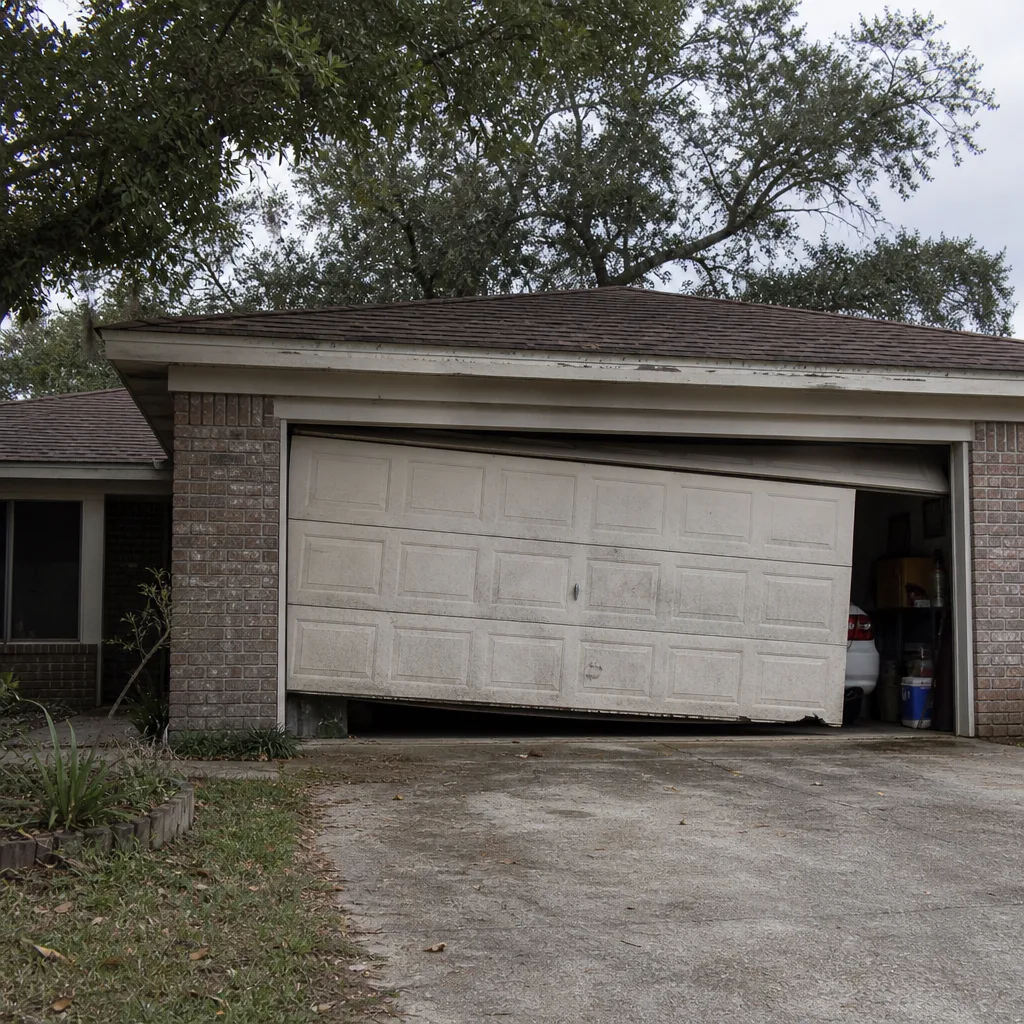 Before
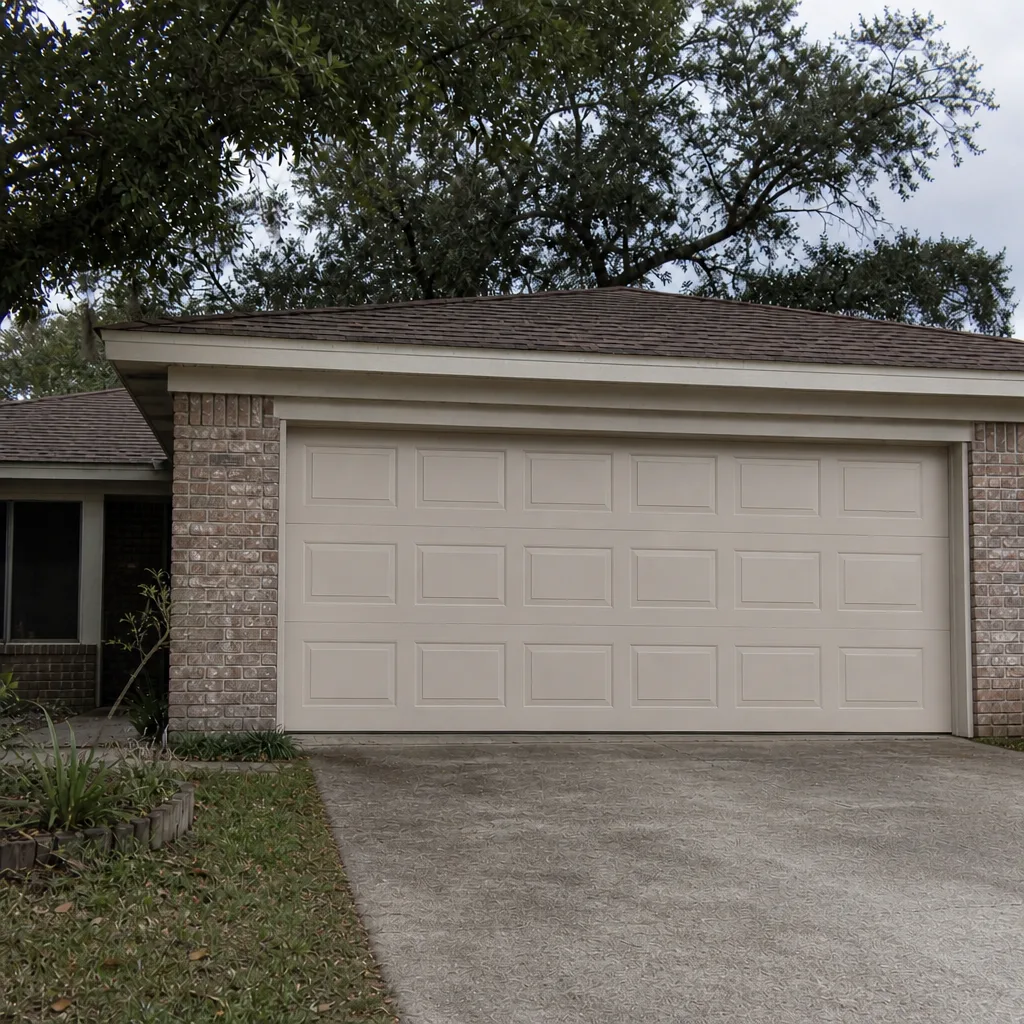 After
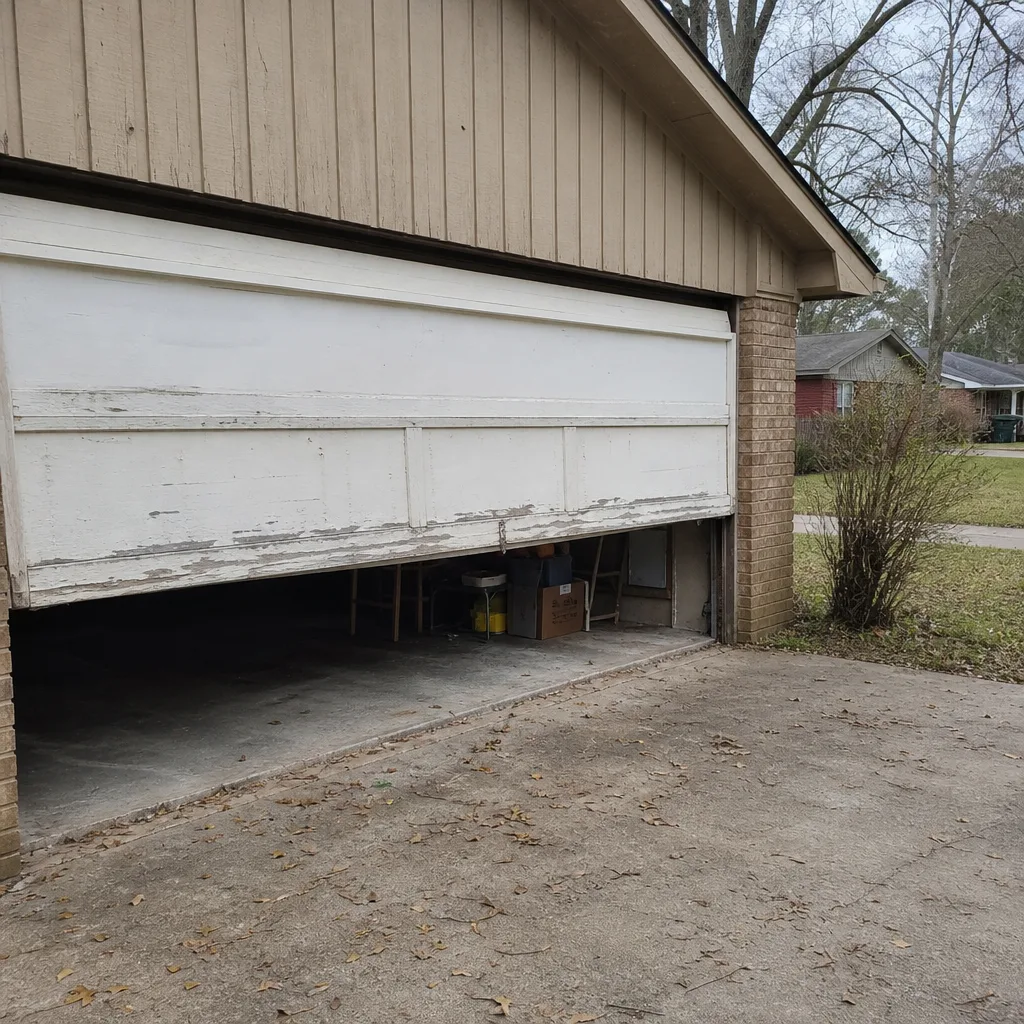 Before
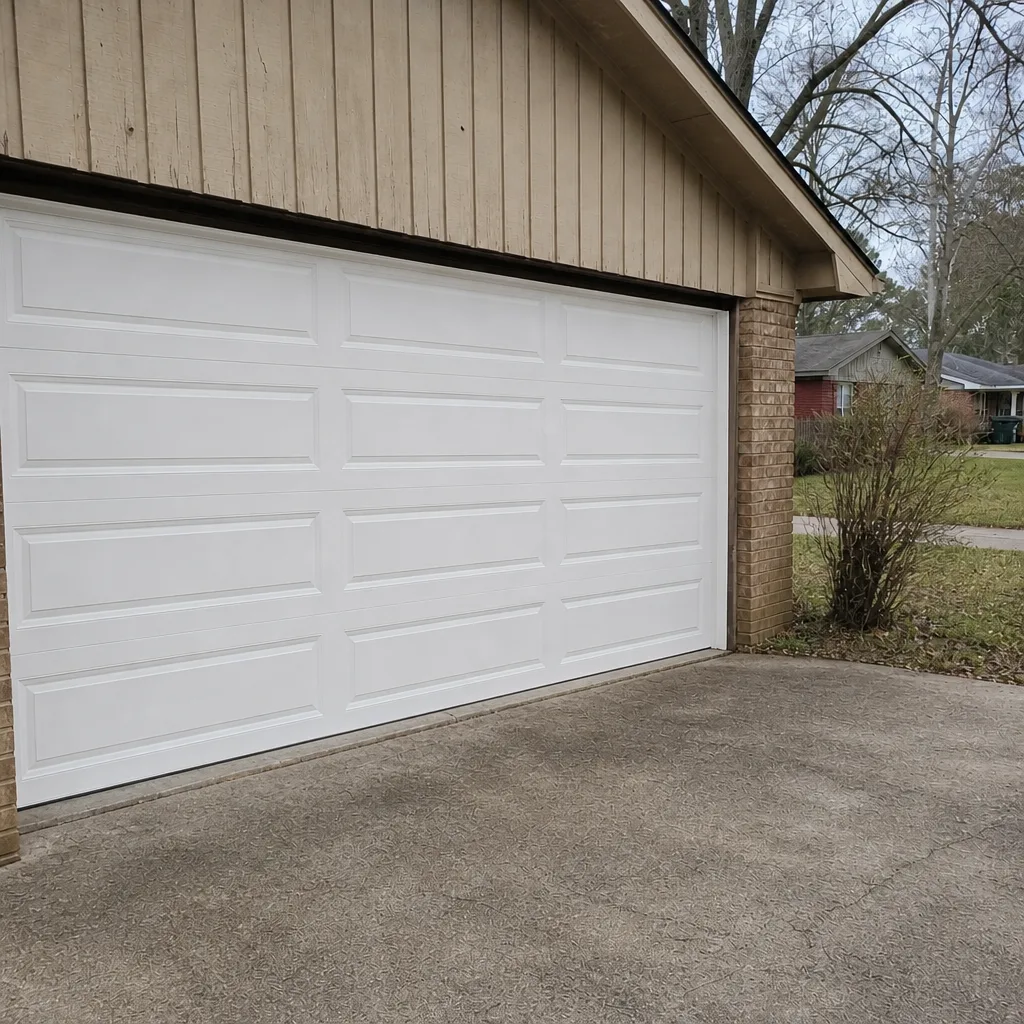 After
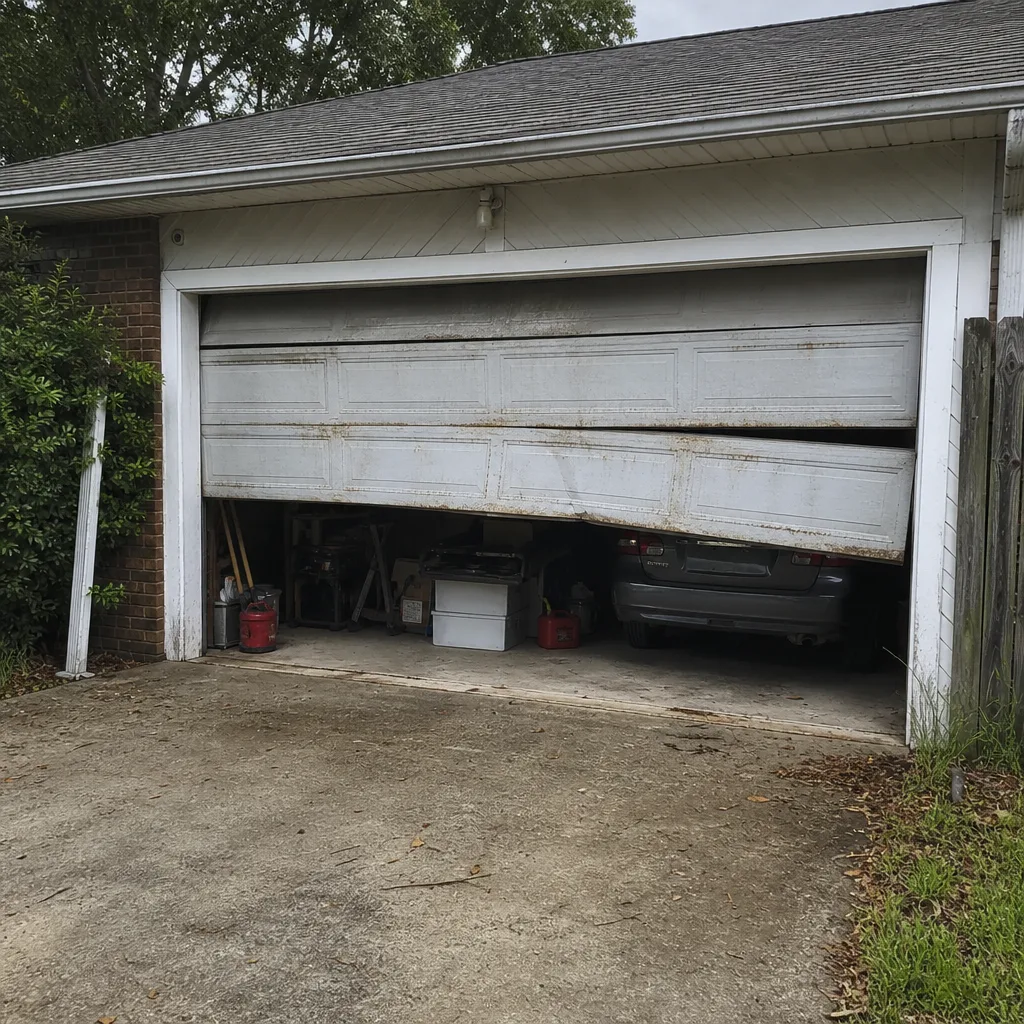 Before
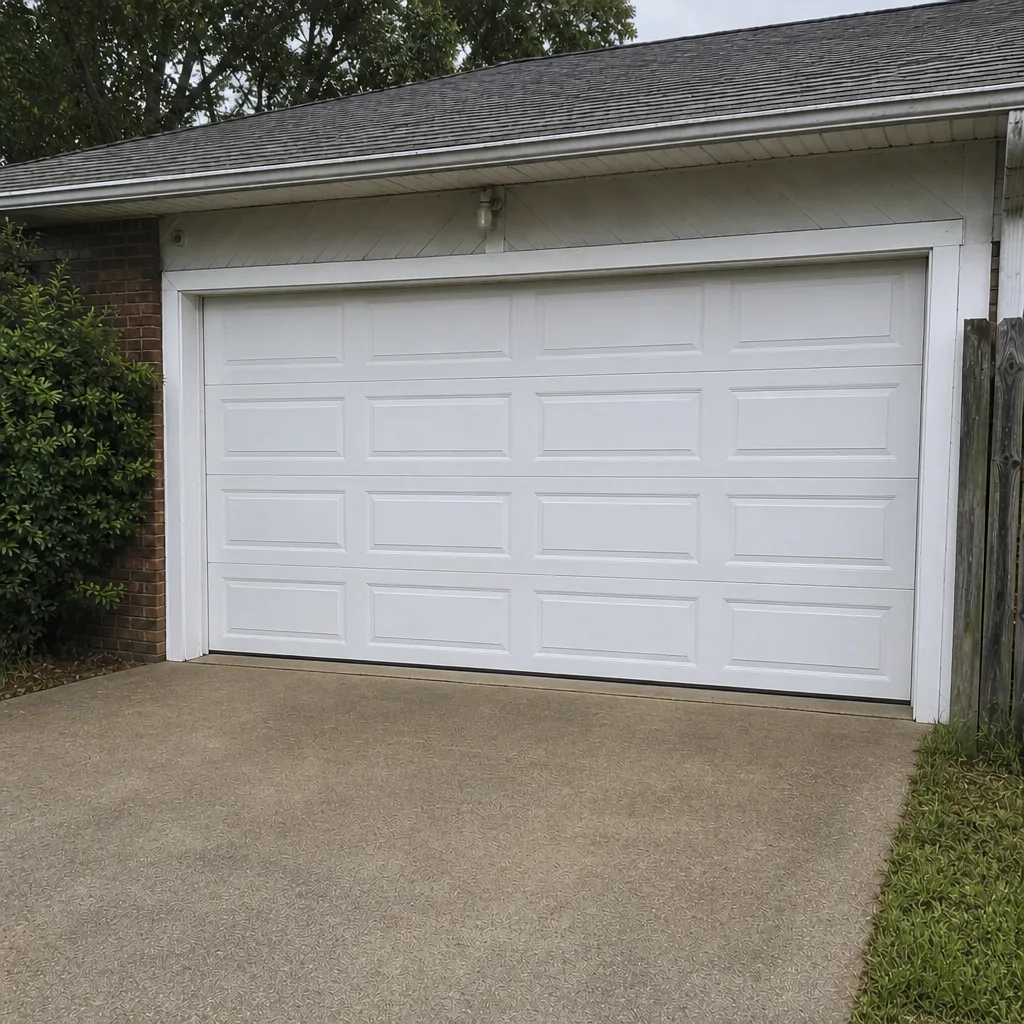 After
When to Call a Professional
Most of the permit and code work on a garage door is not a homeowner project. Spring repair is a safety job, not a DIY job, and the risk of a serious injury from handling a loaded spring is real, so we always recommend a trained technician for that work. If your door is being replaced, if you’re not sure whether your existing door is rated correctly for Tallahassee, if an inspection flagged a deficiency, or if the opener’s safety reversal isn’t working, those are all calls for a professional. Our technicians have up to 15 years of experience, and we’re certified to work on eight major brands including Amarr, Wayne Dalton, Craftsman, and Raynor. Tallahassee Garage Door Repair Co offers free estimates in Tallahassee, and the price is quoted and agreed before any work starts. Call (866) 374-8948.
Frequently Asked Questions
Yes, in most cases a garage door replacement in Tallahassee requires a building permit because the door is a rated wind-barrier component under the Florida Building Code. The exact requirement depends on your address’s wind zone and whether impact rating applies. Call (866) 374-8948 for an exact quote – estimates are free.
The rating varies by your address’s wind zone and exposure category, so there’s no single number for all of Tallahassee. The door’s ANSI/DASMA label states the design pressure, and the Leon County Building Department can confirm what your specific address requires. Call (866) 374-8948 and we’ll walk through your door spec with you.
The final inspection checks the door’s rated label, the alignment and smooth operation of the door, the gauge of the hinges and rollers, the spring tension and cable security, the anchoring to the framing, the bracing and reinforcement, and the opener’s safety reversal and sensor function. Every item traces back to the door’s product approval and installation instructions. Call (866) 374-8948 if you want your door reviewed before an inspection.
No. The written estimate sets the final price, and the price is quoted and agreed before any work starts. If something unexpected comes up after the estimate, we’ll talk through it before we continue. Call (866) 374-8948 for a free estimate and a written price for your Tallahassee job.
For repair work, same-day service is often available. We answer 24/7, and fast dispatch runs from 7am to 7pm, Sunday through Friday. For replacement or new installation, the door is measured, ordered, and scheduled, so a same-day promise doesn’t apply. Call (866) 374-8948 and we’ll book the next opening.
Yes. The local pro we connect you with is licensed and insured as the state requires, and we vet every professional we work with. Our technicians have up to 15 years of experience on the eight major brands we’re certified to work on. Call (866) 374-8948 to schedule.
An unpermitted door is a coverage risk and a disclosure issue at resale. The typical fix is to pull a permit after the fact and have the door inspected, then either bring it up to code or document that it already meets the current standard. Call (866) 374-8948 and we’ll help you sort out what your Tallahassee door needs.
The Bottom Line
Garage door work in Tallahassee is regulated work, and the rules matter at insurance time and at resale. A replacement or new installation usually needs a permit, the door has to carry a wind load rating that matches your address, and the final inspection covers the anchoring, the bracing, and the opener’s safety reversal. Routine repairs like spring swaps and opener fixes usually don’t need a permit, but they still need a trained technician. The simplest way to stay ahead of all of it is to confirm the requirement before the work starts and keep the inspection paperwork once it’s done. If you’re not sure where your door stands, our team is glad to take a look.
Call Tallahassee Garage Door Repair Co at (866) 374-8948 for a free estimate. We answer 24/7. Fast dispatch from 7am to 7pm, Sunday through Friday. We’re closed Saturday. The price is quoted and agreed before any work starts, and every job is backed by our satisfaction guarantee.
Written by the team at Tallahassee Garage Door Repair Co.