
Last updated November 21, 2026
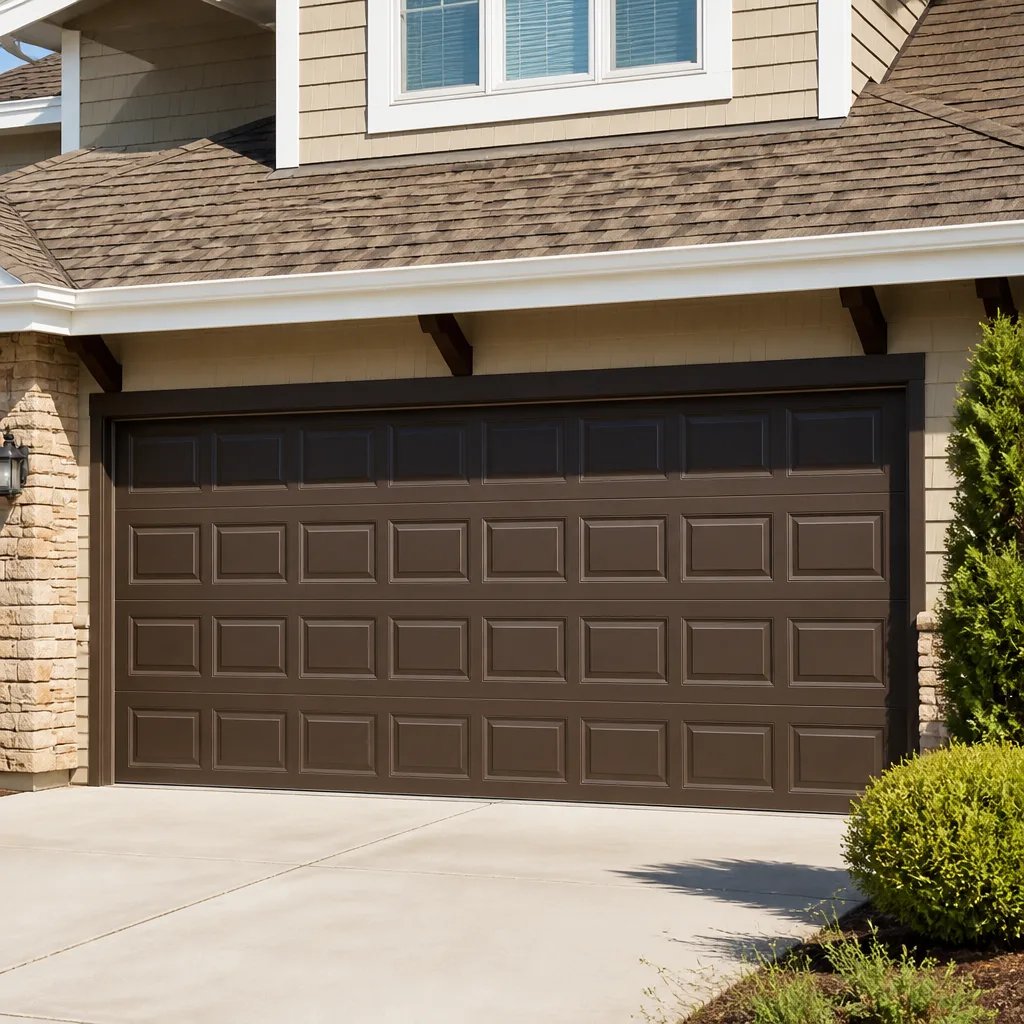 Raised-panel steel
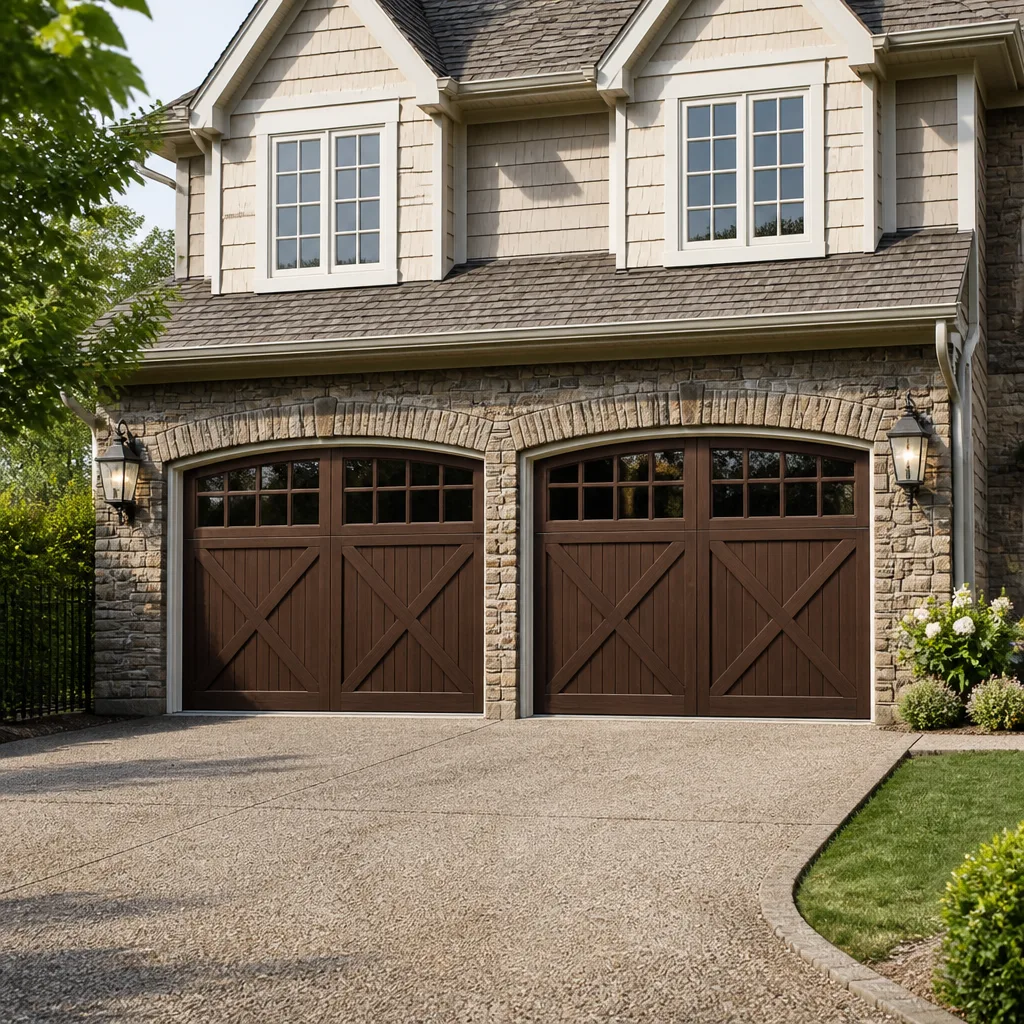 Carriage house
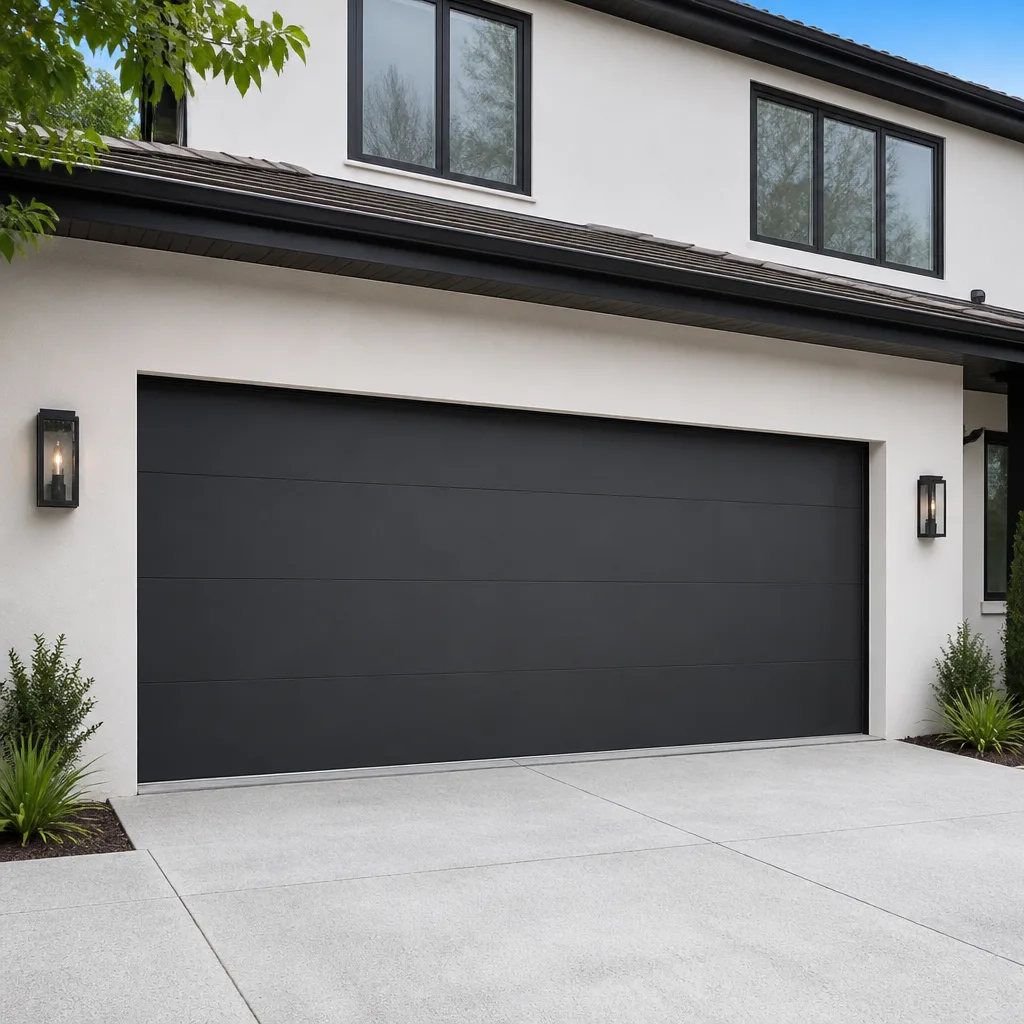 Modern flush
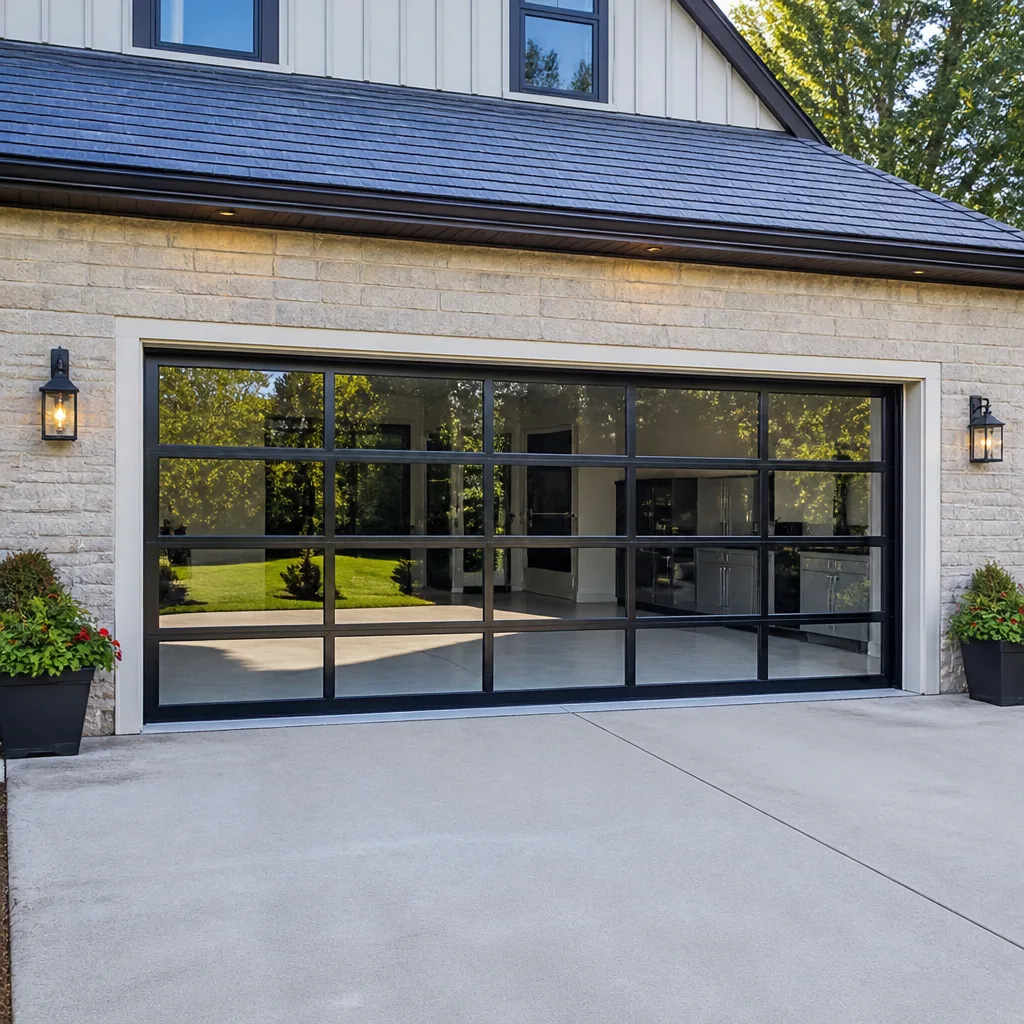 Full-view glass
 LiftMaster openers
 Chamberlain openers
Full 25-point door and opener safety check with every visit - springs, cables, rollers, tracks, and your LiftMaster or Chamberlain opener included
You get a price before we start. It does not change when the pro arrives.
Get your free estimateGarage Door Repair Maintenance Checklist for Tallahassee Homeowners
The repair call that spikes after Tallahassee’s pollen season usually isn’t a broken spring. It’s a photo-eye sensor packed with pine pollen, so the door reverses or refuses to close. That failure never appears on a generic maintenance list, and it’s the kind of thing this guide is built around. We’ve laid out a task-by-task checklist timed to how doors actually fail in Tallahassee: humidity, pollen, summer storms, and the clay soils that shift under your slab. You’ll learn what to check monthly, quarterly, and yearly, which lubricants hold up here, and which two jobs you should never attempt yourself.
Quick Answer
A garage door maintenance checklist for Tallahassee should run on a monthly, quarterly, and annual rhythm: monthly, wipe and realign the photo-eye sensors and test the auto-reverse; quarterly, lubricate hinges, rollers, and the torsion spring, and inspect for rust; annually, tighten all hardware, check the balance of the door, and have a technician inspect springs and cables. Pollen season (roughly March through May) and hurricane season (June through November) each need their own prep pass. Two tasks – torsion spring adjustment and cable tension – belong to a trained technician every time.
Styles & brands we work with
- Raised-panel steel
- Carriage house
- Modern flush
- Full-view glass
- LiftMaster openers
- Chamberlain openers
Table of Contents
- Monthly Checks: The 15-Minute Walk-Around
- Photo-Eye Sensors and Tallahassee’s Shifting Clay Soils
- Lubrication: What Works in Florida Humidity
- Inspecting Torsion Springs for Early Rust
- Seasonal Prep: Pollen Season and Hurricane Season
- DIY vs. Pro: The Two Jobs You Never Touch
- What Maintenance and Common Repairs Cost in Tallahassee
- When to Call a Professional
Monthly Checks: The 15-Minute Walk-Around
Fifteen minutes once a month catches most of the problems that turn into a repair bill. A garage door is a system of moving parts under real tension, and the small stuff – a loose bolt, a stiff roller, a sensor knocked a quarter-inch out of line – compounds fast in a climate that stays warm and damp most of the year. Walking the door while it’s closed, then watching it cycle once, tells you most of what you need to know.
Here’s the monthly routine we suggest for Tallahassee homeowners:
- Look at the door panels. Stand inside with the door closed and check for dents, cracks, or separation at the seams. Look at the bottom seal too – if it’s cracked or flattened, hot and humid air, insects, and water get under the door.
- Test the auto-reverse. Lay a piece of wood or a rolled towel flat on the floor under the door and close it. The door should reverse on contact. If it doesn’t, stop using the opener and get it looked at.
- Check the photo-eye sensors. The two small lenses near the floor on each side should have a steady light on both. A flickering or dark light means misalignment or dirt (more on this below).
- Listen to the door. A grinding, squealing, or popping sound is your cue to lubricate or call for a look. A smooth door is a quiet door.
- Check the balance by hand. Disconnect the opener (pull the release cord) and lift the door halfway. It should hold there on its own. If it drifts down or slams up, the springs or cables need attention – reconnect the opener and call a technician.
That last check is where most homeowners find trouble early. A door that won’t hold position usually means a spring is losing tension, and in Tallahassee’s humidity a spring can be rusting from the inside before you notice anything wrong with the door’s movement.
Photo-Eye Sensors and Tallahassee’s Shifting Clay Soils
If your door refuses to close and the opener light flashes, the photo-eye sensors are the first thing to check. These are the two small lenses mounted near the floor, one on each side of the opening. They send an invisible beam across the doorway, and if anything interrupts that beam the door won’t close. A dirty lens, a cobweb, a leaf, or simple misalignment all cause the same symptom. In Tallahassee, pine pollen and fine dust settle on the lenses constantly, so a monthly wipe with a dry cloth solves more “broken door” calls than you’d expect.
Alignment is the part most people miss. Tallahassee sits on heavy clay soils that expand and contract with our wet and dry seasons. That movement is small, but it’s enough to shift a slab or a bracket a fraction of an inch over a year, and the sensors are sensitive to exactly that. If wiping the lenses doesn’t fix it, check alignment this way:
- Look at the indicator light on each sensor. One usually has a steady light when it’s receiving the beam; the other sends it.
- Loosen the wing nut on the sensor that isn’t lit and adjust it slowly left, right, up, and down until its light comes on steady.
- Tighten the wing nut and step out of the beam. Test the door with the wall control.
- If neither sensor will hold a steady light after adjusting, the issue may be wiring or a failing unit – that’s the point to call.
One safety note: never disable or tape over the sensors to make the door close. They’re there to stop the door on a person, pet, or object, and bypassing them is how serious injuries happen. If your opener is an older Craftsman or a newer LiftMaster or Chamberlain unit, the sensor behavior is the same and the fix is usually the same – clean and align first, replace only if the unit has failed.
Lubrication: What Works in Florida Humidity
Lubrication is the single highest-value maintenance task you can do yourself, and doing it with the right product matters more here than in a dry climate. Tallahassee’s humidity means a wet, sticky lubricant will attract pollen, dust, and grit, turning into a grinding paste that wears parts faster. You want a lubricant that goes on clean, stays put, and doesn’t collect debris. White lithium grease in a spray can works for hinges and the torsion spring; a silicone-based spray is a good choice for the tracks and the rollers. Avoid heavy axle grease or anything that stays tacky.
Here are the specific points to hit, quarterly:
- Hinges: one short spray at each hinge’s pivot point, top and bottom.
- Rollers: a light spray on the roller stems and bearings – not on the track surface, which should stay clean and dry.
- Torsion spring: a light coat along the coils. You’re not soaking it, just giving it a film that helps keep moisture off.
- Opener rail and chain: if you have a chain-drive opener (common on older Craftsman units), a light application on the chain. Belt-drive openers don’t need this.
- Lock and handle (if you have one): a drop of light oil in the keyway and at the latch.
Wipe down the tracks with a dry cloth and check that they’re clear of leaves, pollen, and grit. Don’t lubricate the tracks themselves – they’re designed to run dry so the rollers can roll cleanly. If your door has been squeaking for a while and lubrication doesn’t quiet it, the rollers may be worn flat, and that’s worth a professional look.
Inspecting Torsion Springs for Early Rust
Torsion springs are the big coils mounted above the door, and they carry the whole weight of it. In a humid climate, they’re also the component most likely to fail from rust before they fail from metal fatigue. Surface rust on a torsion spring is often the first sign that the spring is weakening – rust creates pits and stress points that lead to breakage. A spring that snaps under load is loud and dangerous, which is why inspecting for rust is a maintenance task, not a repair task.
You can inspect springs safely from a distance, with the door closed and the opener disconnected only if you know the door is balanced. Here’s what to look for:
- Powdery orange-brown coating on the coils: early-stage surface rust. This is the stage where a professional inspection can tell you whether the spring has life left or is on its way out.
- Pitting or flaking on the coil surface: more advanced rust, a serious warning sign. Have it checked.
- A visible gap or split in the coil: the spring has broken. Do not operate the door – call for a technician.
- Squealing or popping when the door moves, or a door that feels unusually heavy: spring or cable trouble.
One more note on springs: if one of a matched pair has broken, replace both. They’re installed as a pair, they wear as a pair, and replacing one leaves the other to fail soon after on an uneven load. This is a job for a trained professional every time, which we’ll cover below.
Seasonal Prep: Pollen Season and Hurricane Season
Tallahassee’s seasons drive a specific maintenance rhythm that a generic checklist doesn’t capture. Spring brings pine pollen – the yellow-green film that coats everything – and summer brings the storm season. Each one calls for its own prep pass, done before the season rather than after.
Spring pollen pass (before pollen season, roughly late February to March):
- Wipe the photo-eye sensors and re-check alignment.
- Blow out the tracks and hinges with compressed air or a leaf blower on low, then wipe the tracks dry.
- Lubricate the hinges, rollers, and spring so pollen doesn’t stick to dry, dusty parts.
- Test the auto-reverse and the manual release – you want both working before the heavy-use months.
Hurricane season pass (before June):
- Tighten every bolt and bracket you can reach – wind and vibration work them loose over time.
- Check the bottom seal and the door’s weatherstripping for gaps.
- Inspect the springs and cables for rust; any doubt means a professional inspection before storm season.
- Test that the manual release works so you can open the door if power is out, and know the process before you need it.
- Clear the area around the door so nothing blocks it during a storm.
Dry-winter pass (December to February):
Tallahassee’s winters are mild, but the dry air causes contraction – hardware loosens, seals shrink, and small gaps show up. Run the door through a few cycles, tighten any hardware that has loosened, and check the hinges and rollers for wear. If you’ve been putting off a repair, this is the season to handle it. Call (866) 374-8948 and we’ll talk it through. We answer 24/7, with fast dispatch from 7am to 7pm, Sunday through Friday.
DIY vs. Pro: The Two Jobs You Never Touch
Most of this checklist is genuinely safe to do yourself. Cleaning sensors, lubricating hinges, tightening bolts, testing the auto-reverse, and checking the weatherstripping are all homeowner tasks that a careful person can manage with a few basic tools. But two jobs on this list – adjusting a torsion spring and checking cable tension – belong to a trained technician every time. Springs are under enormous tension even when the door is down, and cables can whip with serious force if released incorrectly. This is a safety job, not a DIY job.
Here’s the split, in plain terms:
- Safe for you: wiping and aligning sensors, lubricating hinges and rollers, tightening bolts and brackets, testing the auto-reverse and manual release, inspecting from the ground, replacing the bottom seal.
- Safe for you with caution: clearing debris from tracks, replacing a light bulb in the opener, adjusting the travel limits on the opener per its manual.
- Never for you: adjusting, removing, or replacing a torsion spring; adjusting or replacing a cable; removing the door panels or the door itself.
Video tutorials make spring and cable work look easy. It isn’t, and the injury rate on these two parts is real. The cost of a professional spring replacement is minor compared to a hospital visit, and in a humid climate like Tallahassee, springs are also the part most prone to rust failure, so it’s worth having a trained eye look at them. If you’re hearing a squeal you can’t quiet, seeing rust you’re not sure about, or feeling a door that’s getting heavier, that’s a sign to call – not to dig in.
What Maintenance and Common Repairs Cost in Tallahassee
Routine maintenance and small repairs in Tallahassee are modest, and it helps to know the ballpark before you call. These are typical, estimated ranges for the common tasks on this checklist, and the written estimate always sets the final price. Costs vary by the age of the door, the brand and model of opener, and the parts needed.
- Photo-eye sensor cleaning and alignment: often no charge as a quick service, or a small line on a larger visit.
- Roller replacement (per set): modest, and a good move if your door is noisy after lubrication.
- Hinge replacement (per hinge): modest, and worth doing before wear spreads to the panels.
- Bottom seal replacement: a small job that makes a real difference in humidity and insect control.
- Full tune-up and inspection: a modest charge that includes lubrication, adjustment, and a spring and cable check.
- Torsion spring replacement: priced per spring, not per pair; a matched pair usually runs about double a single spring.
Repairs on your specific model vary by part. Our technicians have up to 15 years of experience and are factory-familiar with the brands most common in Tallahassee homes – LiftMaster, Chamberlain, Craftsman, Raynor, and others – so we source the right part for your specific model without guesswork. Every price is quoted and agreed before any work starts, so you won’t get a surprise on the invoice. Call (866) 374-8948 for a free estimate.
When to Call a Professional
Some problems are worth a call even if you’re handy. Call a professional if the door won’t stay balanced when you test it by hand, if you see rust pitting or a split on a torsion spring, if the door makes a popping or grinding sound, or if the photo-eye sensors won’t hold alignment after cleaning. Call if the door won’t close and you’ve already cleaned and checked the sensors – that’s often a worn part or a wiring issue. Call if a cable looks frayed or loose, and call if the door has been dented or hit and you’re not sure the panels or brackets are sound.
Tallahassee Garage Door Repair Co offers free estimates in Tallahassee – call (866) 374-8948. We handle spring repairs as a dedicated, safety-critical service, so if you’re unsure whether your springs need attention, we can look and tell you honestly. We work on the brand you already own, from legacy Craftsman openers to LiftMaster and Chamberlain smart systems, and we’ll give you a same-day resolution when the situation calls for it.
See the difference
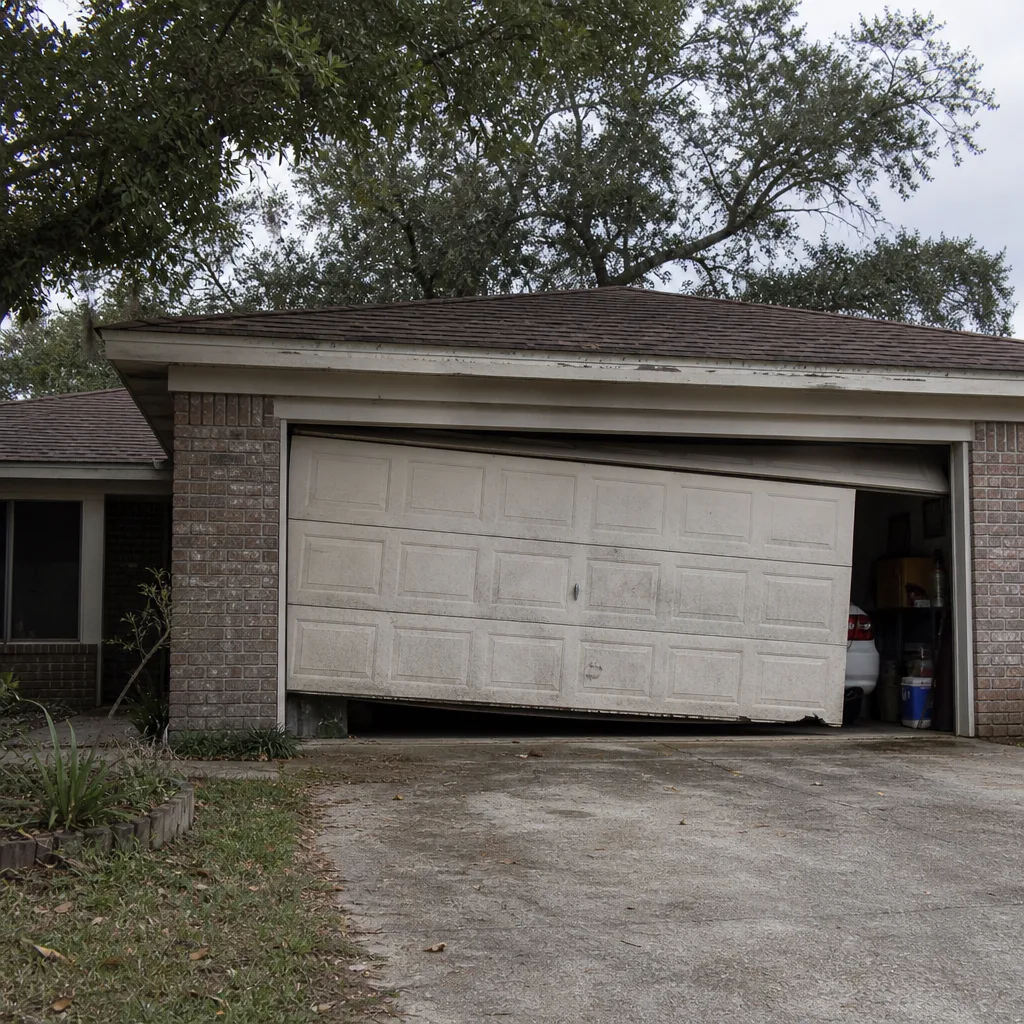 Before
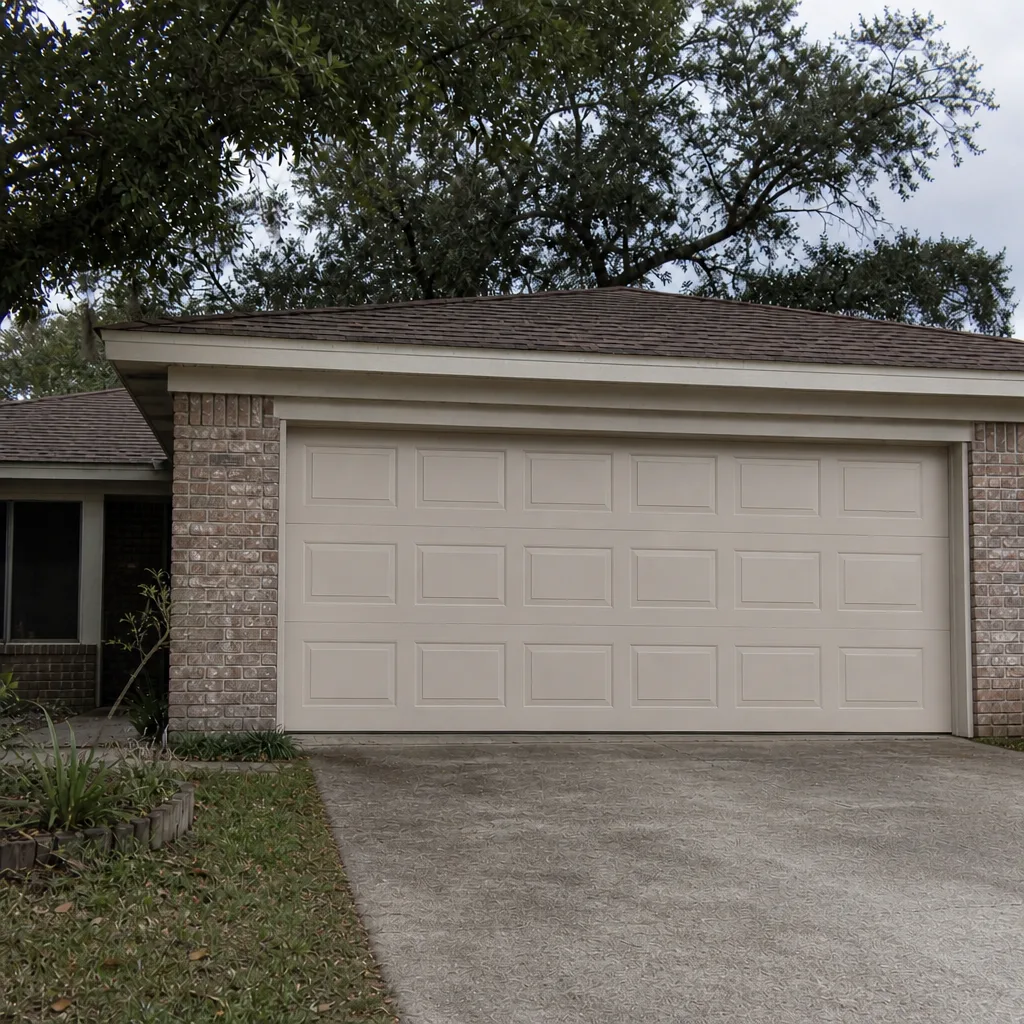 After
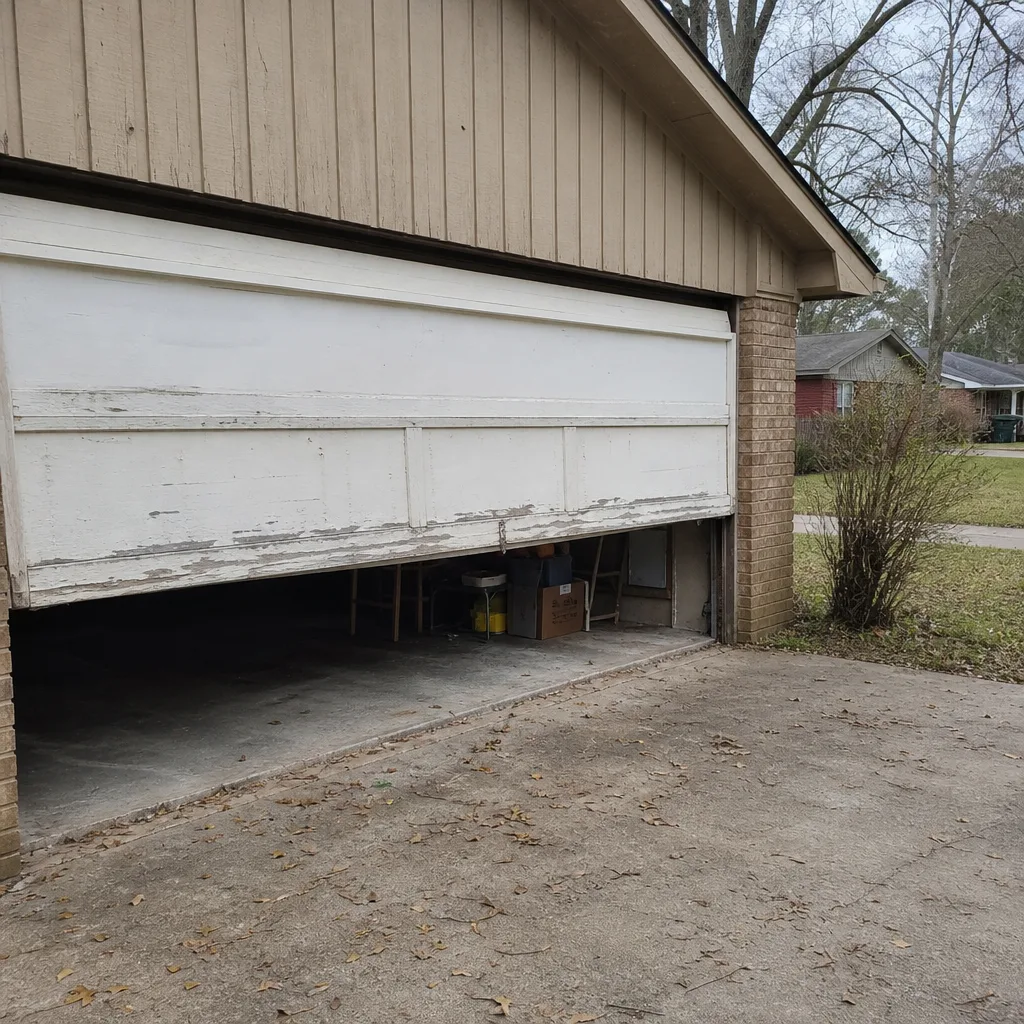 Before
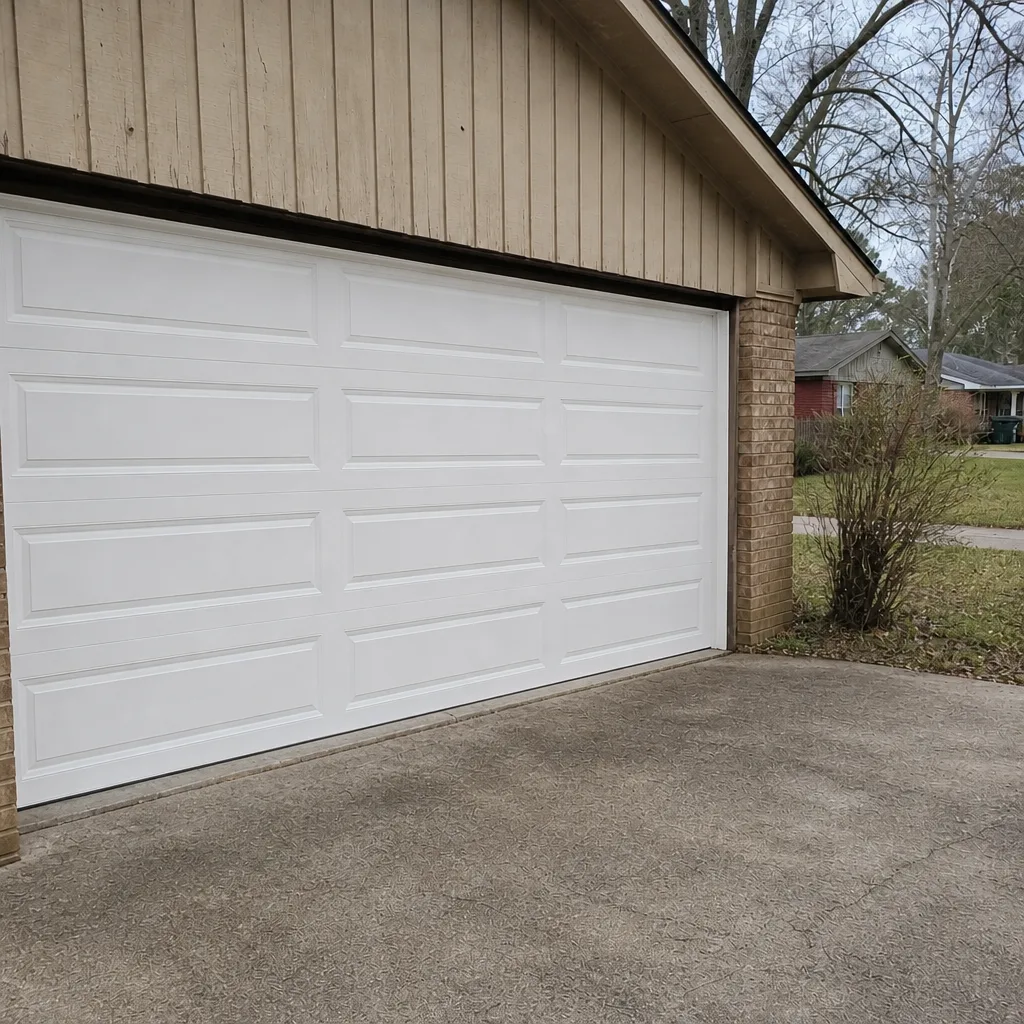 After
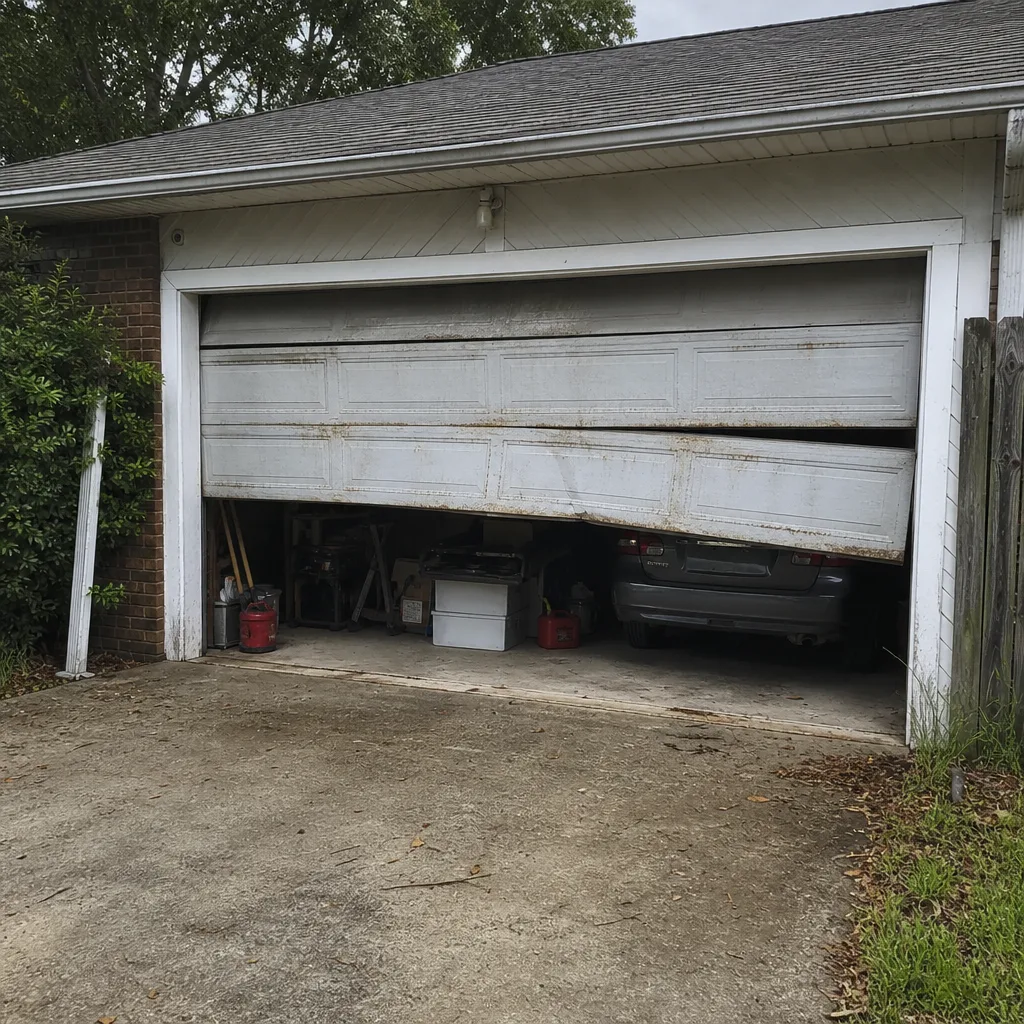 Before
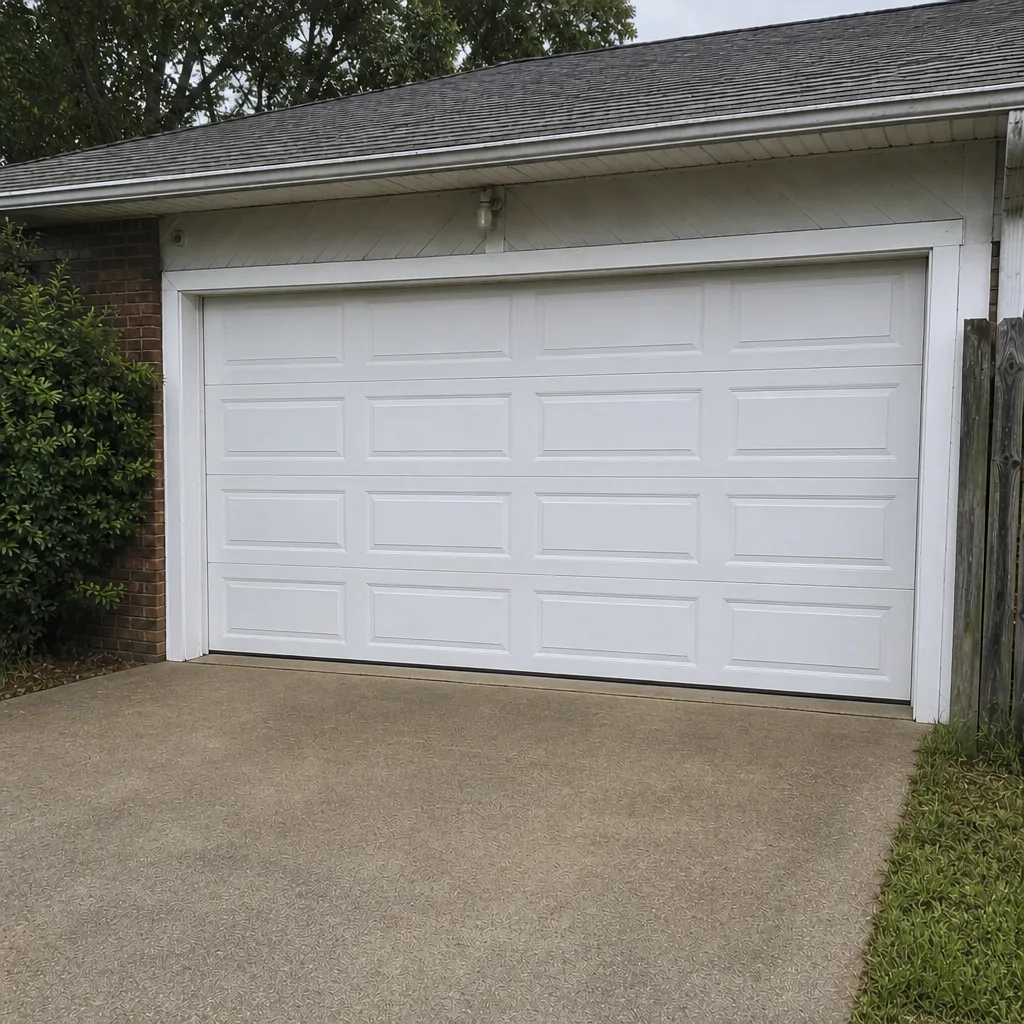 After
Frequently Asked Questions
Once a month for a quick visual check and sensor test, once a quarter for lubrication and a hardware check, and once a year for a professional inspection. The climate matters – Tallahassee’s humidity and pollen season mean sensors and springs need more attention than in a dry climate. A light monthly routine plus a pollen-season pass in spring and a storm-season pass before June covers most of it.
The most common cause is a dirty or misaligned photo-eye sensor. Wipe the lenses and check that both lights are steady. If that doesn’t fix it, the sensor may have shifted – Tallahassee’s clay soils move with the seasons and can knock a bracket out of alignment. If cleaning and realigning doesn’t work, call (866) 374-8948 for a diagnosis; estimates are free.
Yes – lubrication is one of the safest and most useful tasks you can do yourself. Use white lithium grease on the hinges and spring, and a silicone spray on the rollers, and skip the tracks. Avoid heavy grease that stays sticky, because in Florida humidity it attracts pollen and grit. Quarterly is the right rhythm.
Look for powdery orange-brown rust on the coils, pitting or flaking, or a visible gap in the spring. Surface rust is early-stage and worth a professional look; a gap means the spring has broken and you should not run the door. Don’t try to diagnose or adjust it yourself – springs are under high tension even when the door is down. Call (866) 374-8948 and we’ll inspect it.
Yes. The warm, damp air throughout most of the year accelerates rust on torsion springs and wears out lubricants faster, and it can degrade bottom seals and weatherstripping. That’s why spring inspection and regular lubrication are a bigger part of a Tallahassee checklist than they’d be in a dry climate. Pollen season adds another layer, packing sensors and hinges with grit.
Yes – the local pros we connect you with are licensed and insured as their state requires, and our technicians have up to 15 years of experience. We’re factory-familiar with the major door and opener brands, including LiftMaster, Chamberlain, Craftsman, and Raynor, so we diagnose brand-specific issues faster. Call (866) 374-8948 for a free estimate.
The Bottom Line
A maintenance checklist for Tallahassee should be organized around how doors actually fail here: pollen-clogged sensors, rusted springs, humidity-worn seals, and soil-shifted brackets. The monthly and quarterly tasks – sensor checks, lubrication, hardware tightening – are safe and worth doing yourself. The annual tasks and anything involving springs or cables are worth a professional’s eyes. Run the seasonal passes before pollen season and before hurricane season, and keep an eye on rust on the springs. It’s a far easier habit than an emergency repair. If something doesn’t look right, Tallahassee Garage Door Repair Co is here to look – call (866) 374-8948 for a free estimate. We answer 24/7, with fast dispatch from 7am to 7pm, Sunday through Friday.
For more on specific services, see our guides to garage door repair, garage door opener repair, and garage door installation.
Written by the team at Tallahassee Garage Door Repair Co.